
Creating an inclusive culture
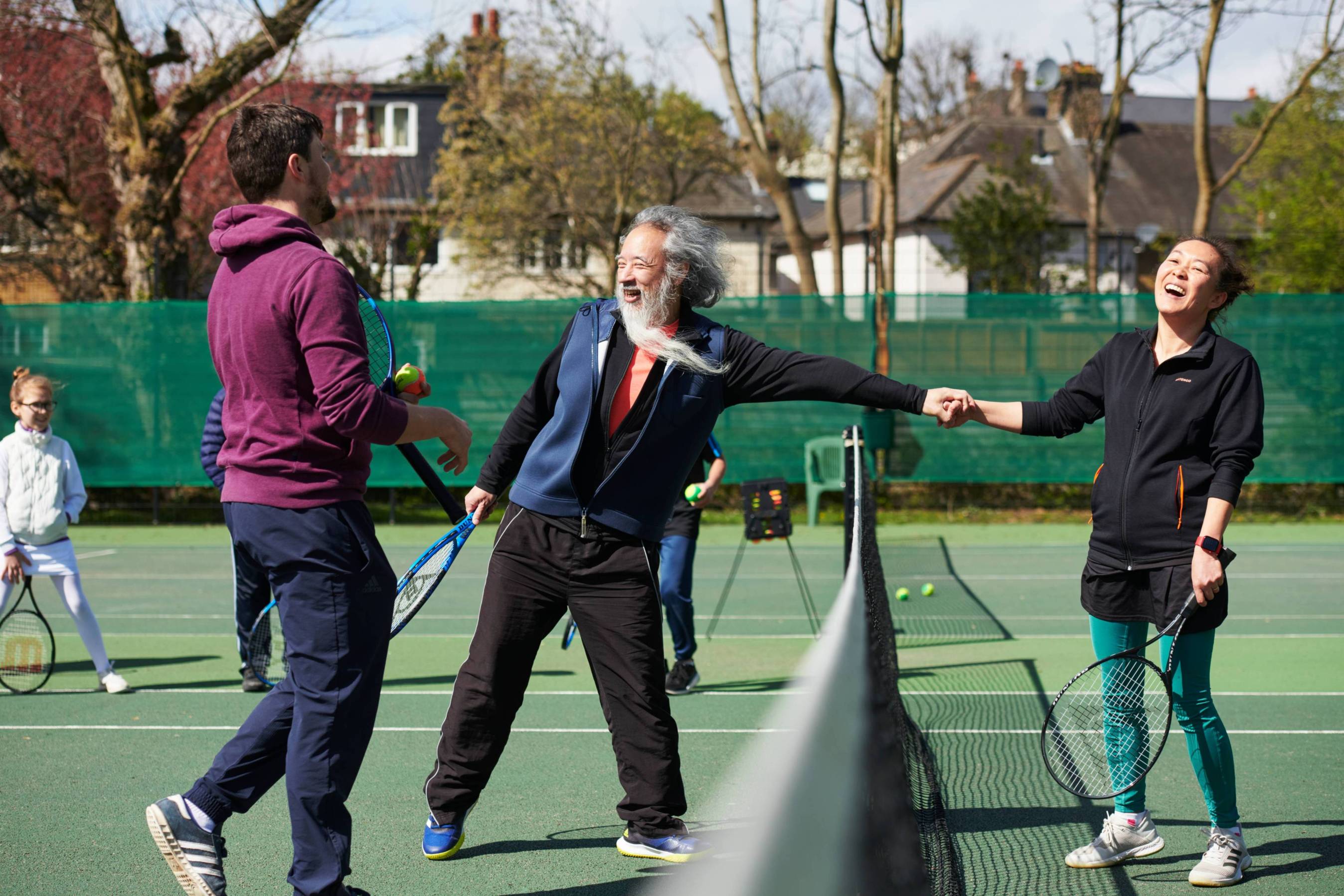
The most welcoming venues don't simply rely on policies. They create environments where people understand what is expected of them, feel comfortable raising concerns and know that inappropriate behaviour will be addressed fairly and consistently.
A positive and inclusive culture helps people feel respected, supports member retention and encourages participation from a wider range of people. It also helps committees and volunteers feel more confident when responding to concerns and complaints.
The resources below are designed to help venues build positive cultures, set clear expectations and create environments where everyone can enjoy tennis and padel.
Benefits of enabling a culture of inclusion
We have designed and produced an EDI calendar resource to help our venues celebrate key inclusion moments throughout the year, such as International Women’s Day, Pride, and Black History Month.
This resource will guide you in selecting the most meaningful and authentic moments to highlight and celebrate the diversity of your tennis community.
A welcoming experience can make all the difference to whether somebody returns to a venue, becomes a member or recommends tennis and padel to others.
Understanding who currently participates, who is missing and how different people experience your venue can help identify opportunities to broaden your reach and strengthen your offer. Often, small changes can have a significant impact on whether people feel comfortable, included and able to take part.
Explore tools and guidance to help better understand your local community, build meaningful relationships and create welcoming experiences for everyone.
Inclusive welcome checklist
Use this alongside your welcome process to help more people feel comfortable and welcome from their first interaction with your club or venue.
Make first contact easy |
|
Provide a warm welcome |
|
Help people settle in |
|
There are a range of local, regional and national organisations that may already be supporting people in your community. Before engaging with partners, consider who you want to reach, why you want to reach them, what your offer is, and the most effective ways to connect with them.
Some useful ways to identify and engage local partners include:
- Active Partnerships – Your local Active Partnership can help connect you with organisations and networks working across sport, physical activity, health and community engagement.
- County and Island Associations – Every County has a dedicated EDI Lead who can provide advice on inclusion, connect you with relevant local partners, and signpost national organisations working with underrepresented groups.
- Local Authorities and their Local Offer – Explore your local authority's Local Offer to identify organisations delivering activities and support services in your area. It may also provide opportunities to promote your own community activities.
Many venues are looking to grow participation, reach new audiences and build stronger links with their local community. Developing relationships beyond your existing membership can help introduce new people to tennis and padel while strengthening your venue's role within the local area.
Successful community engagement is often built on listening, understanding needs and developing genuine partnerships over time. Whether you're just getting started or looking to deepen existing relationships, these resources can help you identify opportunities and engage more effectively with different communities.
Including players and members from diverse audiences
We are designing a series of factsheets to help you support your members and players of diverse backgrounds. More factsheets will be added at a later date.
Accessible venues
The Equality Act (2010) requires sports venues to make reasonable adjustments, so that everyone has the opportunity to access your facilities and courts.
This does not mean that you need to take big, expensive steps. Simple changes can have a big impact on your current membership and those wanting to access your venue.
Below are some key physical changes to consider that don’t always require a large cost:
- Entrances: Where possible, provide access ramps at any entrances or doors with steps. These can be purchased at low cost if constructive redesign and development is not possible.
- Provide accessible/inclusive toilets: Where possible, provide accessible/inclusive toilets and changing areas which are ready for use (e.g. not used as storage for wheelchairs or other equipment).
- Signage: Signage is simple and clear, visible and has good colour contrast.
- Consider protected groups: Consider all protected characteristics in the provision of changing and toilet facilities including cultural and religious beliefs, those that require a carer's assistance, and LGBTQ+ audiences.
- Consider any barriers: Ensure that any alterations to facilities do not create additional barriers for other people.
For further information, please access some of the following external resources:
Your website, social media, emails and marketing materials often provide somebody's first impression of your venue.
The language you use, the images you select and the information you provide can all influence whether people feel your venue is welcoming and relevant to them. Clear, accessible and inclusive communications help more people understand what to expect and encourage a wider range of people to get involved.
The resources below provide practical guidance to help venues create more accessible, representative and welcoming communications.
Promoting your venue
We want to help you promote your programme(s) as best as possible, which is why we’ve created a whole host of customisable promo material just for you. Venues have access to MyTennisToolkit; a library of resources, including community-focused material, to market yourself and your coaching programme.