Spotlighting two South Asian coaches inspiring the next generation on and off the court
• 2 minute read
Behind every great tennis player is a coach who helped them believe in themselves. For South Asian Heritage Month, we are celebrating two exceptional coaches whose impact makes them true role models for the next generation.
For Yasmin Palejwala and Abdul Ahmed, tennis is about much more than producing the next champion. It’s about building confidence, creating opportunities and showing young people that tennis can open doors both on and off the court.
Yasmin Palejwala
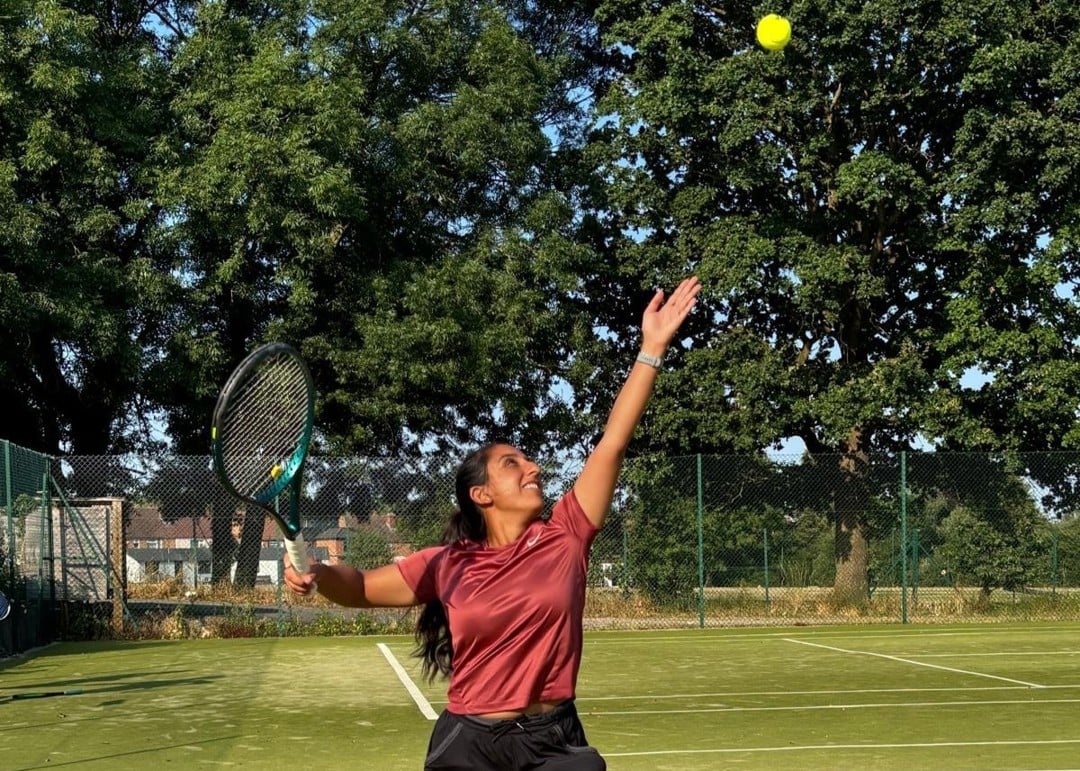
Yasmin is an LTA Level 3 tennis coach and frequently works with the LTA on Equality, Diversity, and Inclusion initiatives, particularly advocating for better representation of Muslim women and girls in tennis. As one of very few South Asian Muslim female Level 3 coaches, Yasmin understands the importance of representation. She knows that simply seeing someone who looks like you in a coaching role, encourages more girls to pick up a racket or even consider coaching themselves.
“With tennis, it’s about more than the sport for me,” she said. “You see someone’s confidence grow, communication skills improve and you see someone feel better about themselves off court as well as on court.”
“Being part of seeing someone become a better version of themselves really drives me.”
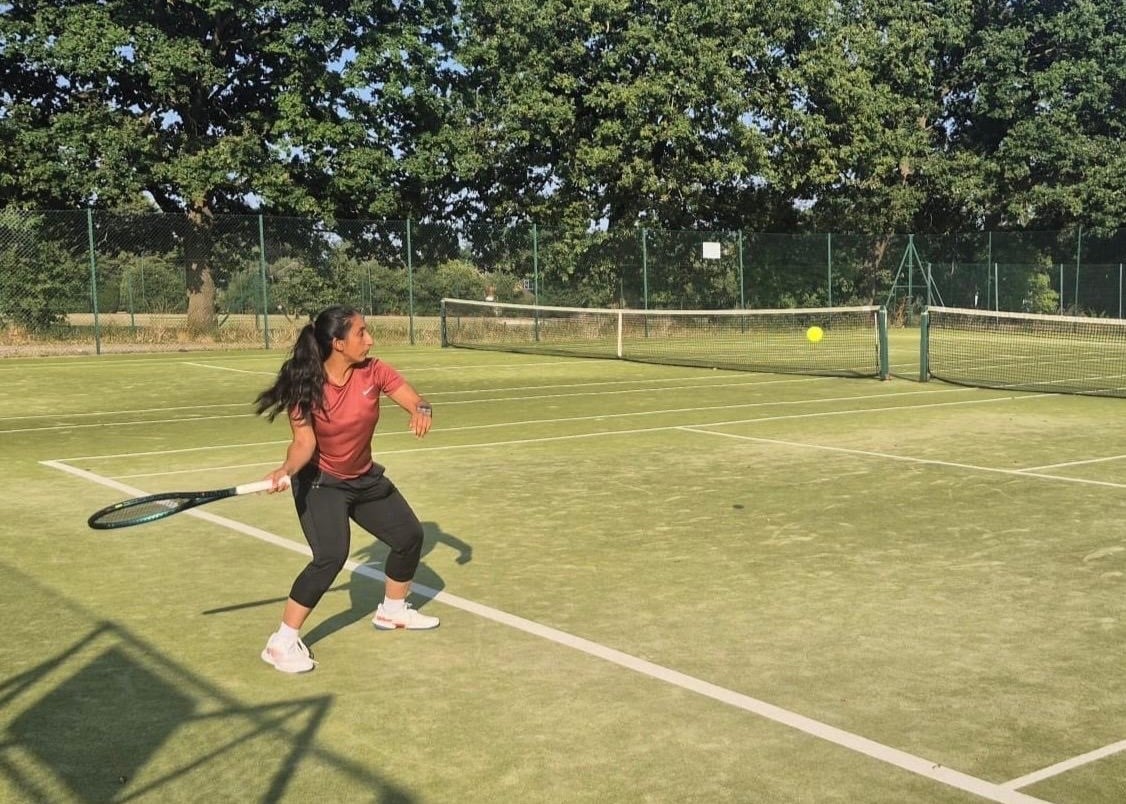
Many of the girls she coaches have never considered tennis before but found confidence by playing alongside others who shared a love for tennis, forming friendships that extended beyond the court. Yasmin believes that creating these positive first experiences is essential, particularly as so many girls leave sport during their teenage years.
“Between 12 and 14, the number of girls who drop out of sport is staggering,” she said.
Through programmes such as She Rallies initiative, more girls are being introduced to tennis in supportive environments while female coaches continue to play an increasingly visible role in inspiring the next generation.”
Abdul Ahmed
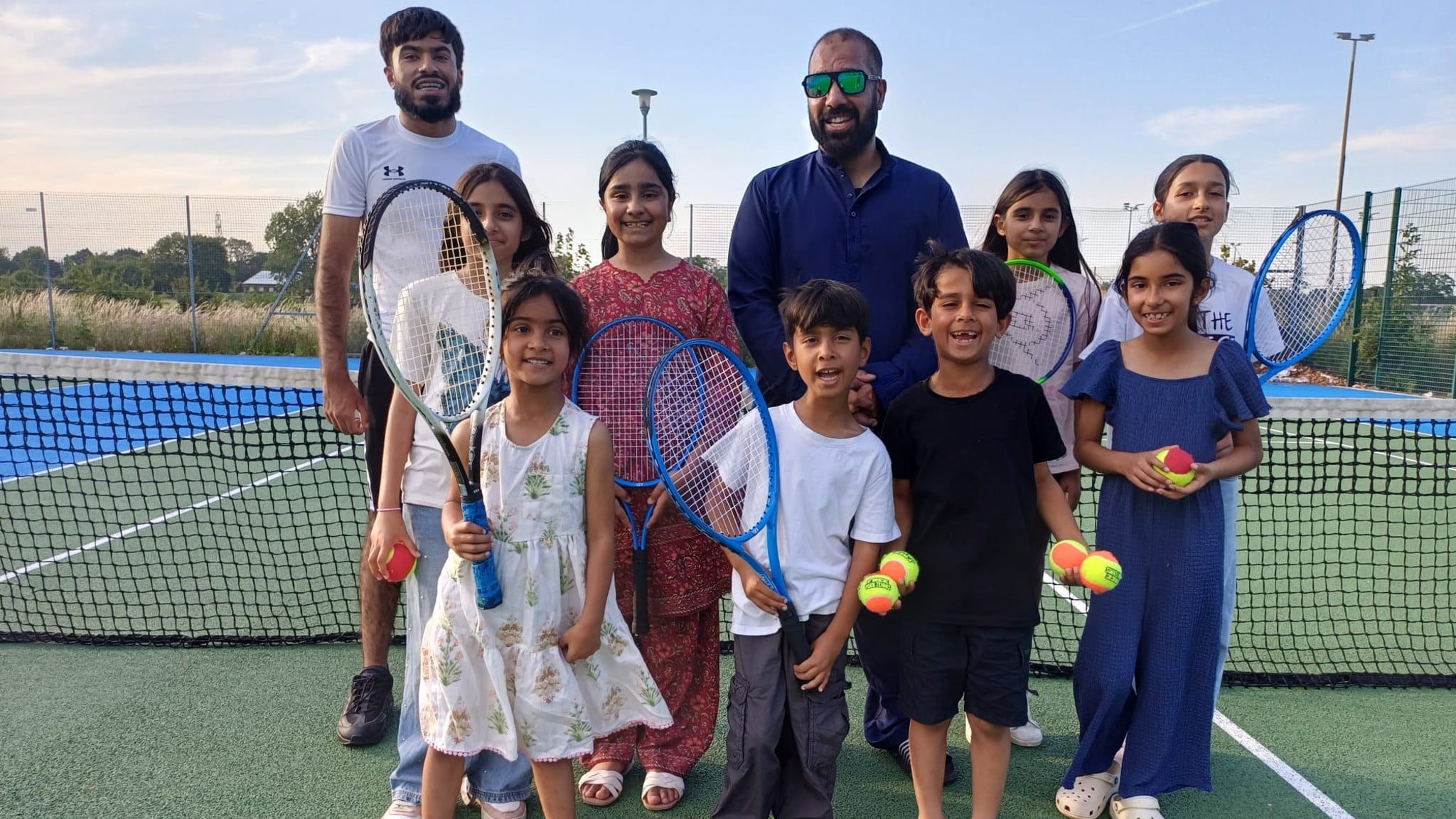
Abdul is a highly accomplished LTA Level 3 tennis coach, academy founder, and player. He is a well-known figure in the UK tennis community, especially in London, and has coached at elite levels including The Championships, Wimbledon. Abdul established the Rising Stars Tennis Academy with his father in February 2020 with the aim of getting local children into tennis, expanding sports participation, and engaging diverse communities. His vision however stretches far beyond developing tennis ability. Every coaching session is designed to build character as well as technical skills.
“Part of our academy is about changing their mindset,” he explained. “We sit down with the kids and talk about discipline, emotions and really connect with every student. What we instil in them now is what they’ll carry with them forever.”
The academy also places a strong emphasis on educating parents and encouraging them to think more broadly about the opportunities tennis can provide: “All the parents attend seminars where we talk about the different pathways within tennis. We shouldn’t be putting pressure on kids to get to Wimbledon. I wanted to get there as a player but I got there as a coach instead. Everyone has different opportunities that they can create for themselves, and that’s the part people sometimes forget.”
Abdul has seen the impact of that philosophy over the past five years. “We’ve had children who have been with us since the academy started, and we’ve seen huge changes,” he said. “Parents tell us their discipline and behaviour at school has improved, and their confidence has grown. Tennis changes people far beyond the court.”
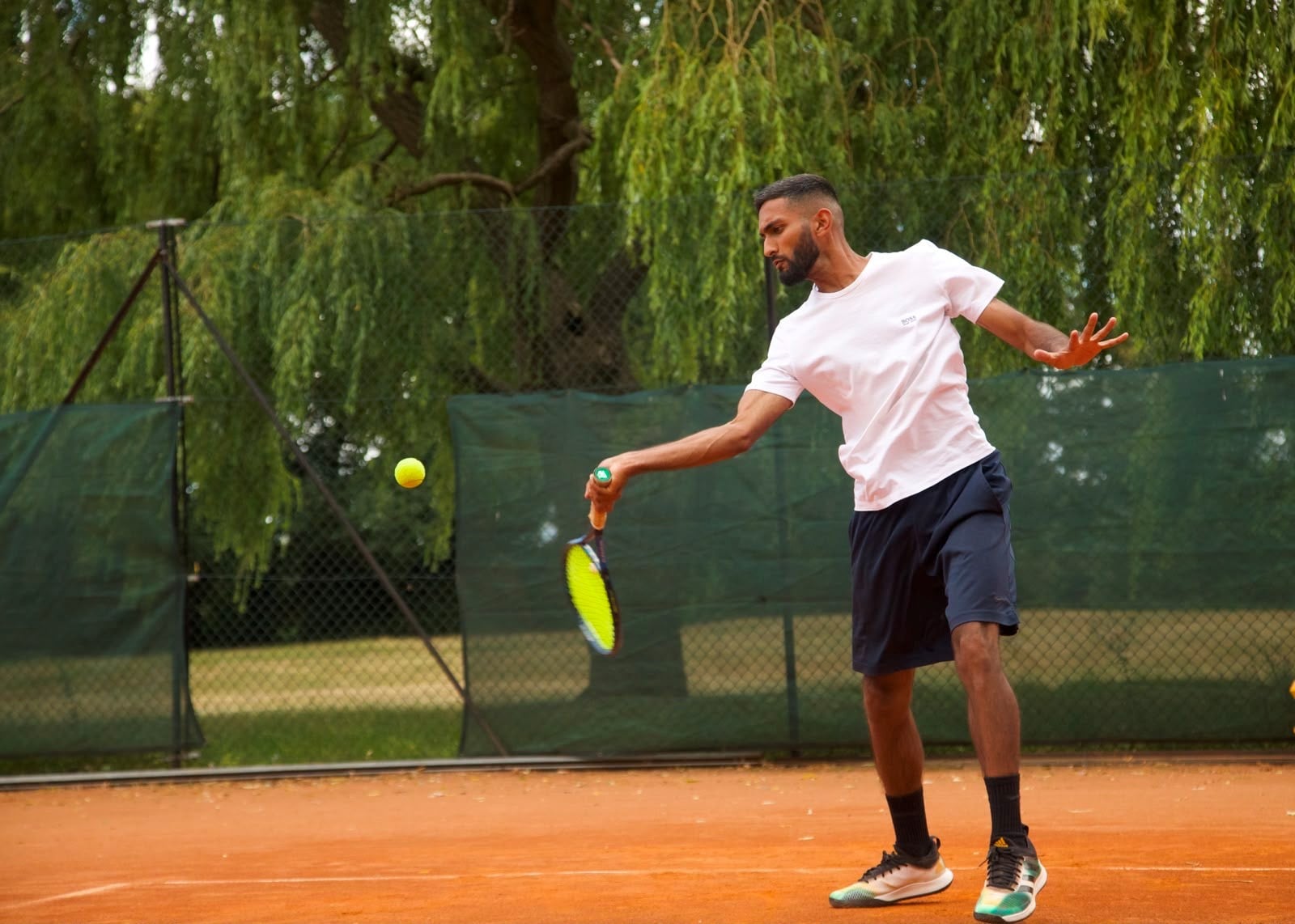
Retaining girls in sport is another area Abdul feels passionate about. His academy now has significantly more girls than boys, something he attributes to creating an environment where players feel supported, and educating parents about the long-term value of staying involved in sport. The links between sports participation and corporate leadership - especially for women - is overwhelmingly strong
“The chances of your daughter becoming a professional tennis player are incredibly small,” he explained. “But if she keeps playing sport, the skills she develops will stay with her for life. Research tells us the chances of her holding a leadership position increase by 70% if she stays in sport.”
“In this sense, our community needs to change its approach to tennis. There are so many pathways in the sport outside of becoming a professional player.”
That message sits at the heart of the LTA’s work.
Alexis Simms, EDI Development Partner at LTA commented, “We are using our grant giving schemes through our workforce development centres, to grow the number of, and provide more support for, new coaches and officials from ethnically diverse communities, as well as exploring opportunities for community-based course delivery. There needs to be more and more visible role models like Yasmin and Abdul.”
For Yasmin and Abdul, the goal is the same: ensuring every young person feels that tennis is a sport where they belong.
There are a number of ways to get involved and help drive change.
You can learn more about our Connecting Communities plan that sets out the work we're doing with people from a ethnically diverse background to make tennis and padel inclusive and relevant in all communities across the country.
Learn more about Connectng Communities
We're also looking to increase the percentage of coaches from ethnically diverse communities who are either starting or progressing through the LTA Qualification pathway.