
Coming out in tennis: A guide for tennis in Britain
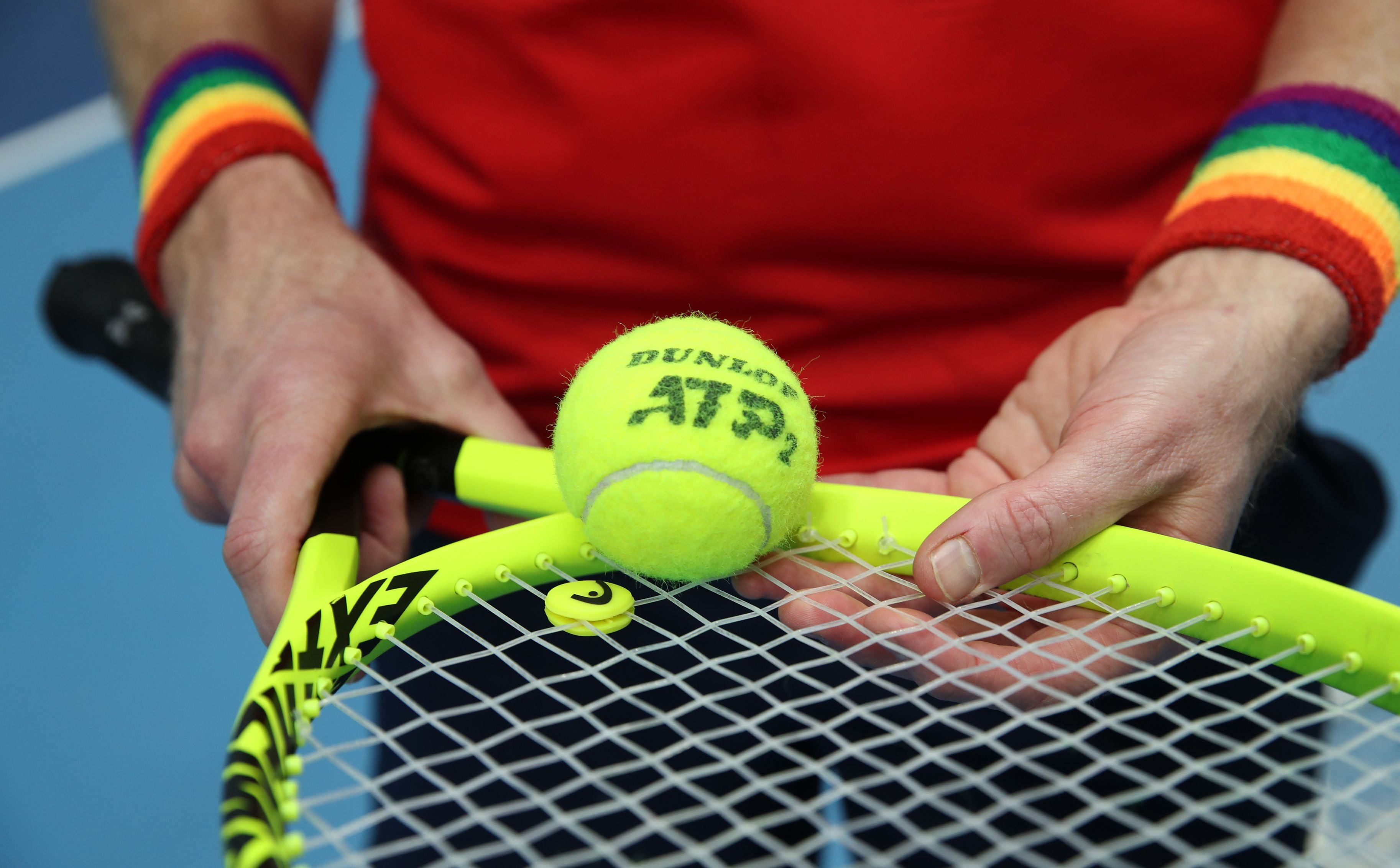
This guide is designed to support players, coaches, volunteers, officials, and fans across tennis and padel in Britain who are either thinking about coming out or supporting someone who is. It aligns with the LTA’s Equity, Diversity and Inclusion ‘Belonging in Tennis’ Plan and directly contributes to the strategic objectives outlined in our LGBTQ+ inclusion plan – ensuring that you can enable tennis and padel environments to be more safe, welcoming, and inclusive for all.
Coming out is a personal journey and will be different for every individual. There is no single ‘right way’ or timeline, and you may choose to be out in some spaces and not in others, and that’s okay. This resource offers some practical approaches that you may choose to use in tennis and padel settings.
‘Coming out’ describes sharing your sexual orientation or gender identity with others. It is often a repeated process in different settings — whether in a tennis or padel club environment, team matches, performance trips, tournaments, the workplace and/or with family. Whatever the environment, it is important to know that this decision should always be your choice to do so.
Start by thinking about your goals and safety. Consider who you trust, what you want to share (and what you don’t), and the best setting to have the conversation. You might choose to tell your fellow players or coach first, or to share more widely once you feel ready.
Planning ahead
- Choose the time and place: pick a private, calm moment before or after training, or use a message if that feels easier.
- Decide what you want to say: keep it simple, and set boundaries (e.g., who they can tell and what support you’d like).
- Identify an ally: a trusted player/member, your coach, the venue welfare officer or whether your club has an inclusion champion on the committee, to be present or follow up afterwards.
- Know your rights: UK equality law protects against discrimination based on sexual orientation and gender reassignment in clubs and associations.
Many people choose to come out to one person first. For coaches and venue leaders, respond with thanks, listen without judgment, agree confidentiality, and ask what support is wanted. Venues should make clear that any form of discriminatory language (including so-called ‘banter’) is unacceptable and that these issues would be addressed quickly.
If you’ve experienced or witnessed harmful language or feel unsafe, speak to your venue welfare officer, inclusion champion, a committee member or venue lead. Visible allyship (e.g., Pride markers, inclusive signage, Pride Days to signify the venues' allyship and support) helps signal safety and can increase trust and participation.
Social media can reach people quickly but may invite unwanted attention. If you choose to share online, set privacy controls, lean on trusted allies to moderate comments, and report abuse via platform tools or the venue’s safeguarding and complaints handling policies and procedures.
Trans and non-binary individuals belong in tennis and padel. Whatever the category, clubs and venues must ensure respectful treatment, dignified access to facilities, and zero tolerance for discrimination. If competition eligibility questions arise, seek guidance from the LTA’s trans and non-binary competition policy and your venue committee.
Under the Equality Act 2010, private clubs and associations must not discriminate against members or guests on the basis of sexual orientation and gender reassignment. The Act includes specific provisions on competitive sport; clubs must apply policies lawfully and fairly, while maintaining safety, fairness and inclusion for all.
Belonging boosts participation, retention, and wellbeing. Research and lived experience show that visible allyship and safe spaces in sport increase confidence and involvement; harmful language and a lack of trusted allies can push people away. Tennis venues that embed equity and inclusion — in coaching practice, events and communications — help LGBTQ+ people feel seen, valued and connected.
- Pride in Tennis: The UK LGBTQ+ tennis network for players, coaches, officials, volunteers and fans; They support with ‘Rally Allies’ training and resources and Venue, County Association workforce and player support.
- Stonewall Coming Out Hub: practical guidance and stories for different contexts.
- ‘Coming Out’ - support from the Proud Trust
- Childline – tips for ‘coming out’ and keeping safe with children and young people
- Switchboard LGBT+ Helpline and local LGBTQ+ groups: confidential listening and peer support.
- Club welfare officer / Club inclusion champion / Club committee members: Chat with local support and understand the reporting processes at your tennis venue.
For allies: venues, coaches and fellow players
- Listen, thank and respect confidentiality: ask what support is wanted by the person.
- Challenge harmful language and ‘banter’: set clear standards and model inclusive behaviour.
- Make LGBTQ+ inclusion visible: Introduce Pride markers such as flags, inclusive imagery and language, educate yourself by completing the LTA Rally Allies online training module (communicate that you have completed this) and celebrating Pride Days.
- Provide practical options: flexible and inclusive kit guidance, dignified and inclusive facilities access, and clear reporting routes.
References and further reading