
Choosing the right tennis racket for you: Expert guide
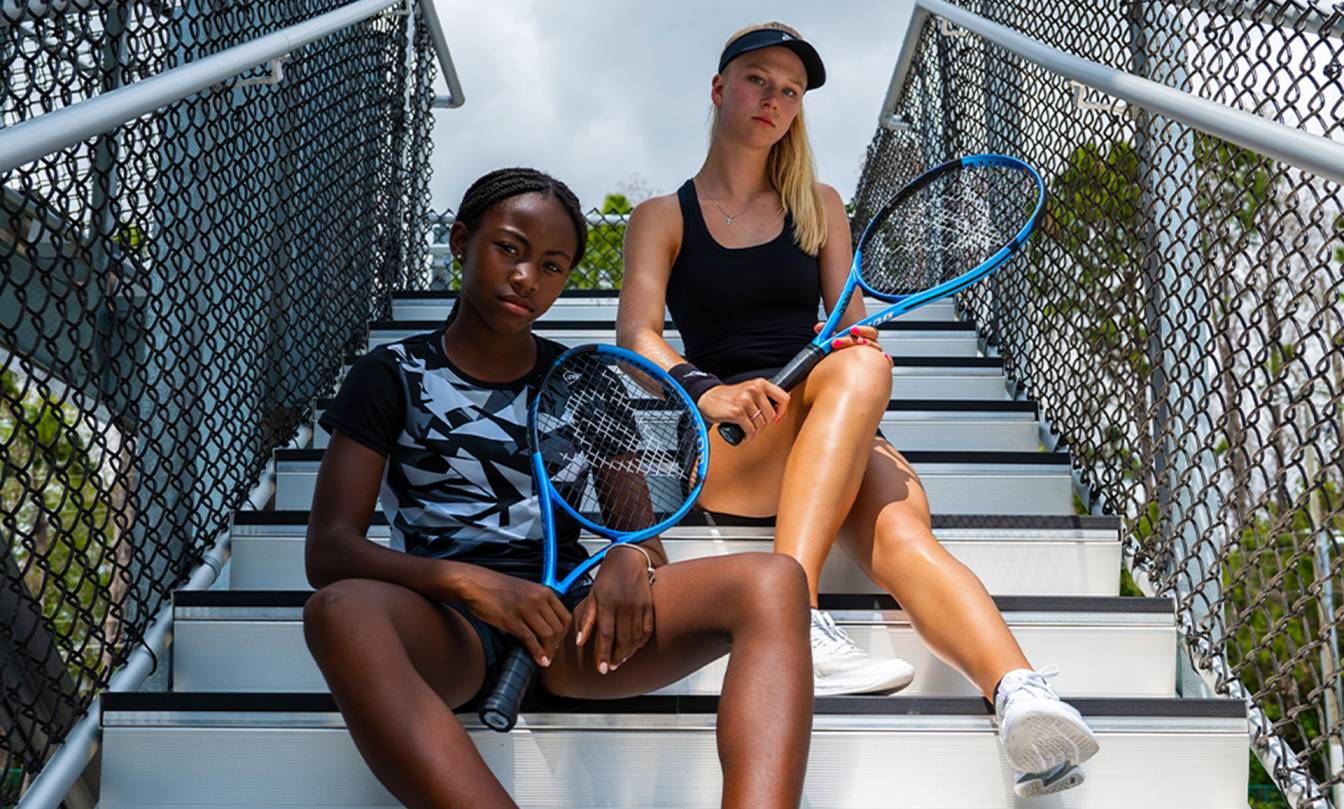
Choosing the right tennis racket can make all the difference to your game, whether you're a complete beginner, an intermediate player looking to refine your skills, or a seasoned pro seeking precision and power.
Key factors such as tennis racket length, grip size, weight, strings and head size all play a major role in how a racket feels and performs on court.
In this guide, we break down the most important considerations for players of all levels to help you find the ideal racket.
Our partners at Pro:Direct breakdown what you should consider depending on your level and how to choose a tennis racket.
Beginner tennis rackets
If you're just starting out, choosing a racket that offers forgiveness, comfort, and ease of use is crucial. Here’s what to look for:
Head size
- Opt for an oversized racket (105–115 sq in / 677–742 sq cm) to provide a larger sweet spot, making it easier to generate power and maintain consistency.
Weight
- A lighter racket (250–300g) helps improve manoeuvrability and reduces fatigue, allowing beginners to swing freely without straining their arms.
Balance
- Look for a head-heavy balance (more than 340mm from the racket’s base / 5pts HH), adding extra power to your shots with minimal effort.
String pattern
- A more open string pattern (16x19) provides better power and spin potential, giving new players an advantage as they develop their technique.
How to choose an intermediate tennis racket
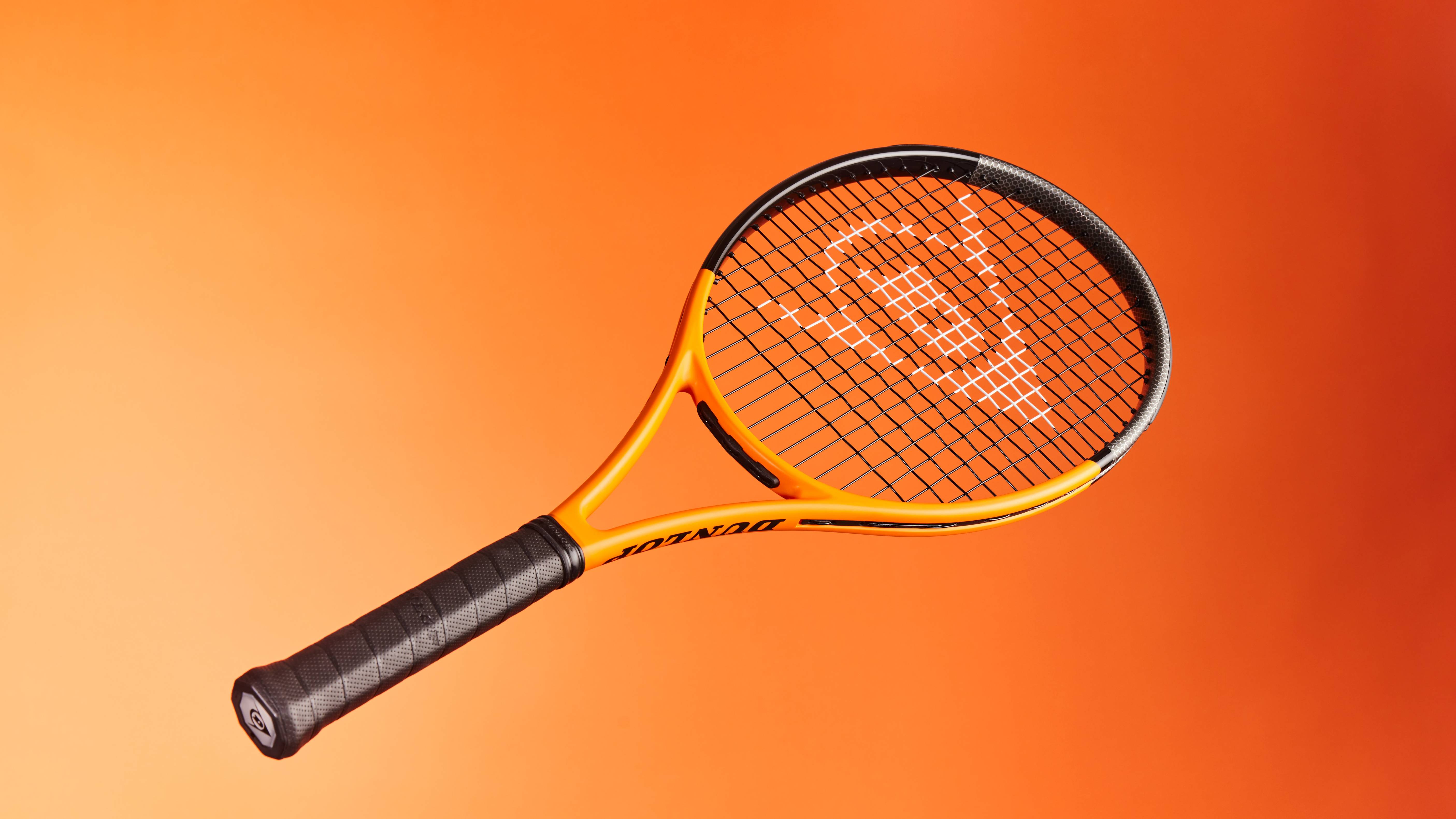
An intermediate tennis racket should provide a balanced combination of power, control and stability. As your technique and swing speed improve, you can move towards a slightly heavier frame and smaller head size that offer greater precision without becoming difficult to manoeuvre. Here’s what to consider:
Head size
- A midplus head size (98–105 sq in / 632–677 sq cm) offers a good balance of power and precision, ideal for players who are improving their shot accuracy.
Weight
- A moderate-weight racket (280–310g) provides more stability and control while still allowing for easy handling.
Balance
- Opt for an even-balanced or slightly head-light (320-330mm from the racket’s base / 4-7pts HL) racket to enhance control while maintaining enough power for aggressive play.
String pattern
- Choose between open (16x19) for more spin and power or dense (18x20) for greater control and durability, depending on your playing style.
Browse intermediate tennis rackets
How to choose an advanced & professional tennis racket
An advanced or professional tennis racket typically prioritises control, stability and feel. Experienced players with developed technique and faster swings may prefer a heavier, head-light frame with a smaller head size, allowing them to generate their own power while controlling placement and spin.
Head size
- A smaller head size (90–98 sq in / 580–632 sq cm) allows for greater control and shot placement, rewarding players with clean technique.
Weight
- A heavier racket (310–350g) delivers maximum stability and power for confident, aggressive play.
Balance
- A head-light balance (310-325mm from the racket’s base / 5-10pts HL) enhances manoeuvrability and provides better control for volleys and quick net play.
String pattern
- An 18x20 string pattern delivers more control and precision, while a 16x19 pattern generates additional spin and power.
Comparing tennis rackets
| Level | Head size | Weight | Balance | String pattern |
| Beginner | Oversized: 105–115 sq in / 677–742 sq cm | Lighter: 250–300g | Head-heavy balance: more than 340mm from the racket’s base / 5pts HH | 16x19 - spin & power |
| Intermediate | Midplus: 98–105 sq in / 632–677 sq cm | Moderate: 280–310g | Even-balanced or slightly head-light: 320-330mm from the racket’s base / 4-7pts HL |
18x20 - control 16x19 - spin & power |
| Advanced |
Smaller: 90–98 sq in / 580–632 sq cm |
Heavier: 310–350g |
Head-light balance: 310-325mm from the racket’s base / 5-10pts HL |
18x20 - control 16x19 - spin & power |
Junior tennis rackets
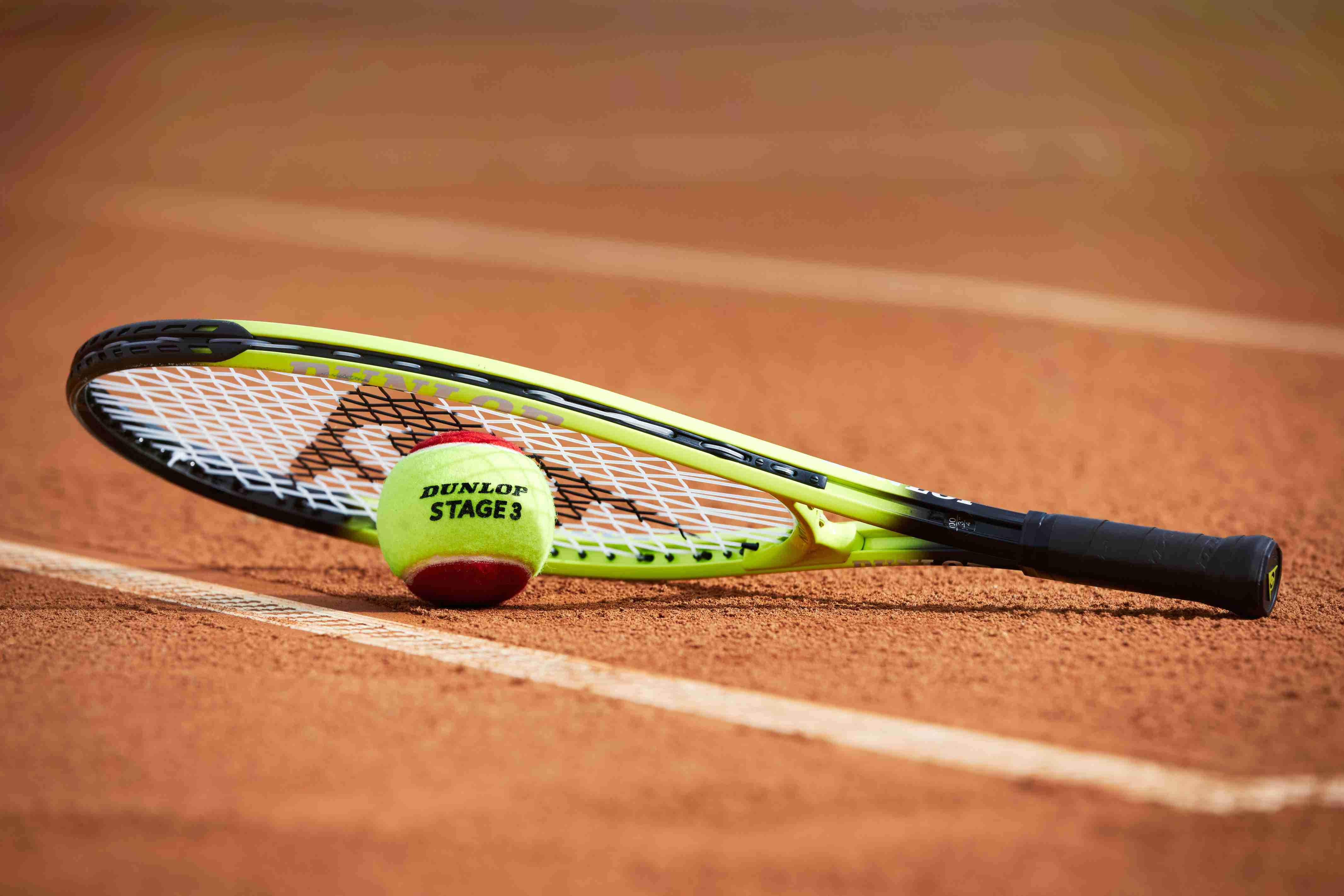
It goes without saying, but junior tennis rackets are made and designed specifically for kids, with a range of sizes for different ages.
What tennis racket size should you buy? Generally, we’d suggest the following sizes for different ages, but this is also dependent on the player themselves:
|
Age |
Racket Size |
|
8 or under |
17-23 inches |
|
8-9 |
23-25 inches |
|
9-10 |
25-26 inches |
|
10+ |
26-27 inches |
|
Adult |
27 inches |
Kids’ tennis racket sizing is a guide, not a rule. Every child grows differently, moves differently, and develops coordination at their own pace. These suggestions provide a starting point. For young players who are new to tennis, a smaller racket may help with control as they develop their skills.
Seniors tennis rackets
At the other end, lighter rackets with larger heads can be hugely beneficial for senior players.
Oversized tennis rackets are a fan-favourite amongst senior players because the larger head offers a bigger sweet spot so there is less impact of your shots.
Similarly with the weight, a lighter racket is easier on your arm to move and will make your shots more comfortable.
Selecting a racket that suits your level and playing style is essential for improving your game. Beginners should aim to find one that’s both comfortable and forgiving, intermediates should prioritise a blend of power and control, while advanced players should opt for precision and stability.
Not sure which racket is right for you? Check out the full collection at Pro:Direct and find the perfect match for your game.
FAQs
If you struggle to swing comfortably or experience arm fatigue, consider a lighter racket for improved manoeuvrability.
Yes - lower tension provides more power and a softer feel, while higher tension offers more control and precision.
As a general rule, restring as many times per year as you play per week (e.g., if you play three times a week, restring at least three times a year).
The most important starting point is your skill level. Beginners generally do best with a lighter racket and a larger head size, as these offer a bigger sweet spot and are more forgiving.
As you progress, you can move towards heavier frames with smaller heads for greater control and precision.
Weight and grip size also matter. Lighter rackets are easier on the arm and quicker to swing, while heavier ones provide more power and stability.
For grip, a simple rule of thumb is that you should be able to fit one finger between your fingertips and your palm when holding the handle.
A good starter tennis racket should be lightweight, comfortable and forgiving. Look for a racket weighing approximately 250-300g with a head size of 105-115 square inches. A larger head creates a bigger sweet spot while the lighter frame makes the racket easier to swing and control.
Beginner rackets usually prioritise comfort, forgiveness and easy power, while advanced rackets often focus more on control, stability, precision and feel.
An intermediate tennis racket should offer more control and stability while remaining comfortable to swing. A frame weighing approximately 280-310g with a head size of 98-105 square inches will suit many improving players. The best choice will also depend on whether you prefer additional spin, power or precision.