
Facts you didn’t know about Wimbledon
In late June and early July, south west London comes alive with Wimbledon fever as the iconic Grand Slam rolls into town.
The Championships have been around since 1877, and their unique blend of history and sporting greatness has created a tournament full of tradition and quirks.
Check out the answers below to some of the most-asked questions about the event.
Why do players wear white?
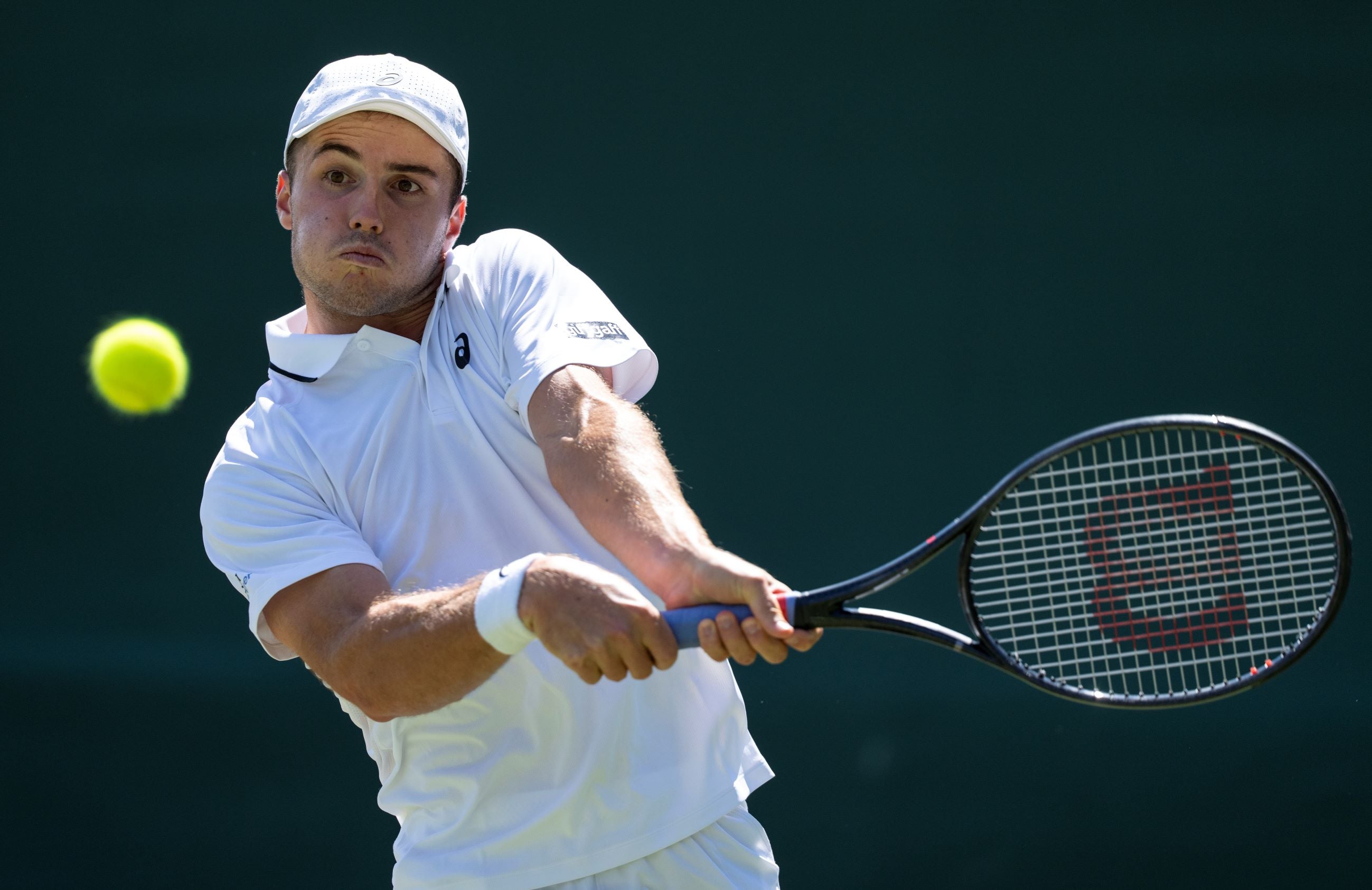
The tradition of wearing white at the All England Lawn Tennis Club dates back to Victorian times, when sweat stains were seen as improper. In order to avoid these visible stains, white clothing was introduced to help hide the sweat.
The dress code stuck and is now seen as one of the most iconic features of Wimbledon.
Why are strawberries and cream served at Wimbledon?
Strawberries and cream have been served at Wimbledon since the early days of the tournament, when the summer fruit’s seasonality meant they were only available for a short period of the year - right around the event.
They’ve remained an iconic symbol of the tournament and a real crowd-pleaser for the punters on site – Wimbledon sell over 2.5 million strawberries every year.
Why does the Wimbledon men's singles trophy have a pineapple on it?
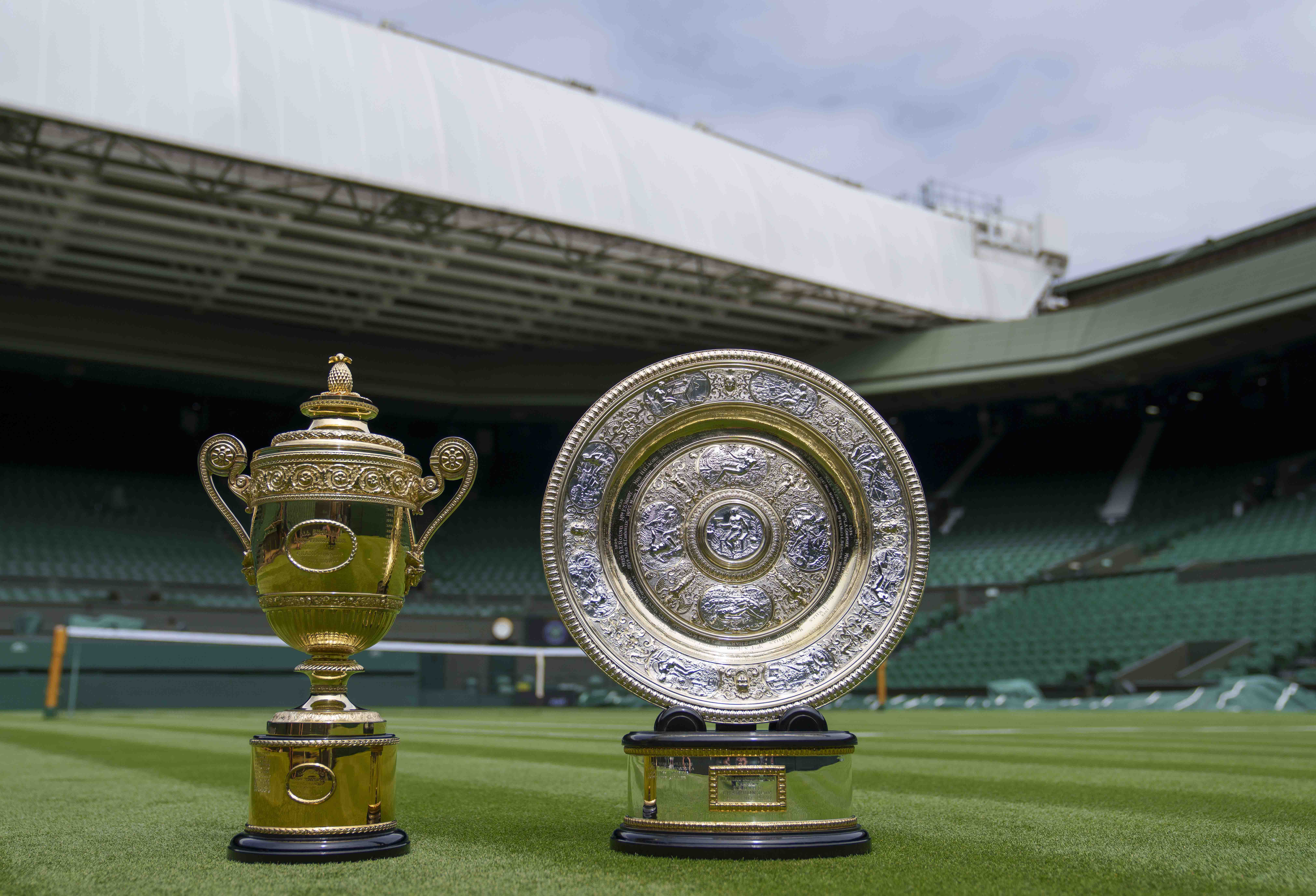
You may have noticed the tropical fruit sitting on the lid of the men’s singles trophy and wondered how it made its way onto one of sport’s most iconic trophies.
The theory goes that when the trophy was made in the 19th century, pineapples were extremely rare and expensive, so adding one to the lid was to add to the prize’s exclusivity and prestige.
The men’s singles trophy stands at 18 inches tall and is made of silver gilt. The name of every winner since 1877 is engraved on the trophy and since 1949, each winner has been gifted a replica of the trophy.
Why is the Wimbledon women's singles trophy called the Venus Rosewater Dish?
First presented in 1886, the Venus Rosewater Dish is presented to the winner of the women’s singles competition.
The trophy was created to resemble a traditional rosewater dish - a ceremonial platter historically used to catch rosewater poured over hands for washing after meals.
‘Venus’ comes from the mythological engravings that decorate the trophy, including gods, goddesses and the elements.
The dish measures in at 18.75 inches wide, and women’s singles champions are given a three-quarter-size replica of the trophy with the names of all past champions engraved.
Why are Wimbledon balls changed so often, and how many are used?
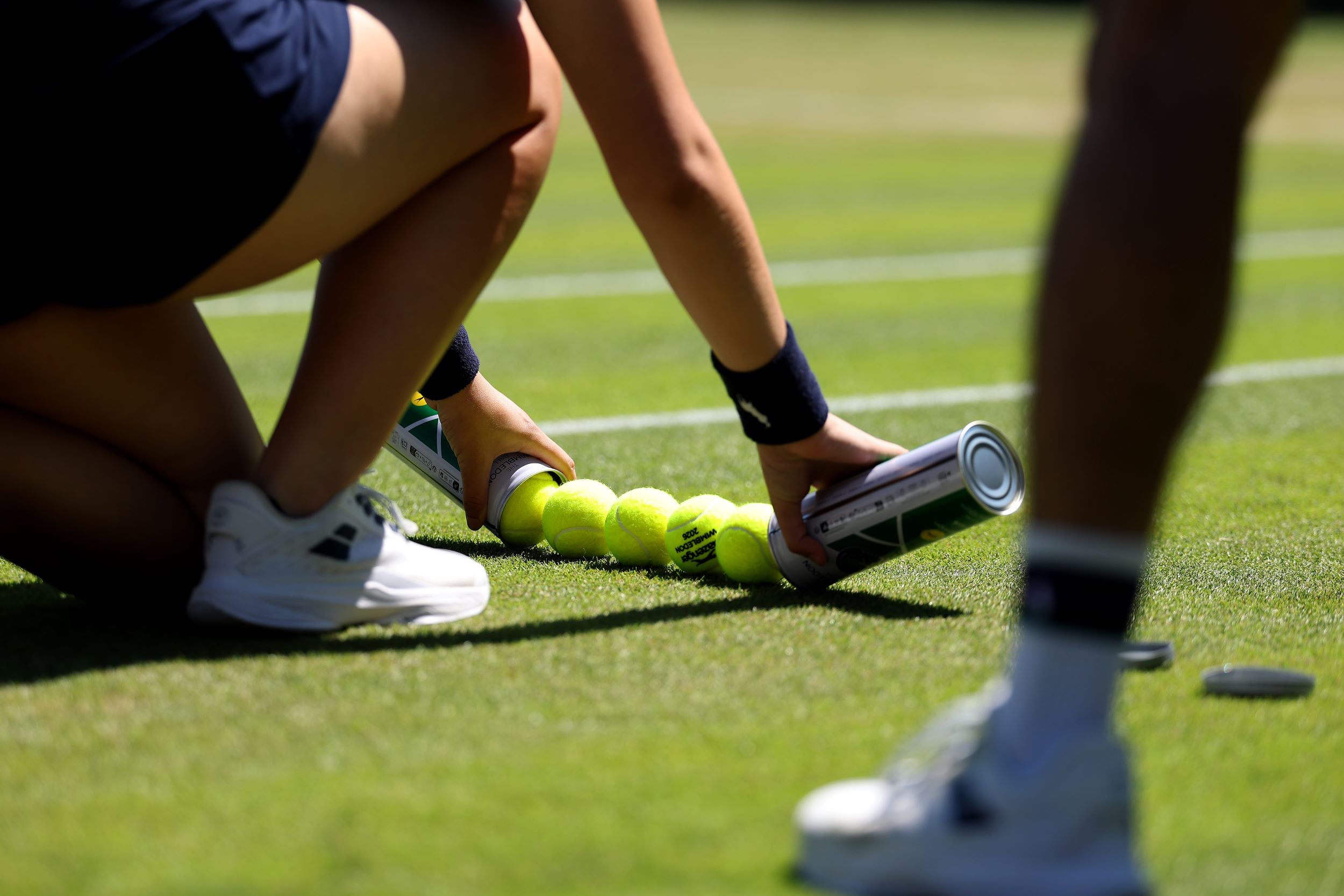
During the two week tournament, it’s estimated that a massive 54,000 tennis balls are used at Wimbledon each year.
Balls are changed after the first seven games of a match, then after every nine games during the rest of the match. This is to ensure that players are using fresh balls regularly with optimal pressure and felt fluff.
Before they’re brought into play, all balls are inspected by a professional and are kept in a refrigerated container to ensure they stay at the correct conditions.
If you’re visiting the tournament, you can buy used balls as a unique souvenir for £2 a sleeve, with all the proceeds going to The Wimbledon Foundation.
How many people attend Wimbledon each day?
On each day of The Championships, there are roughly 43,000 attendees in the grounds. Last year, a total of 548,770 visitors attended Wimbledon, which was a record for the Slam.
Who is Rufus the hawk?
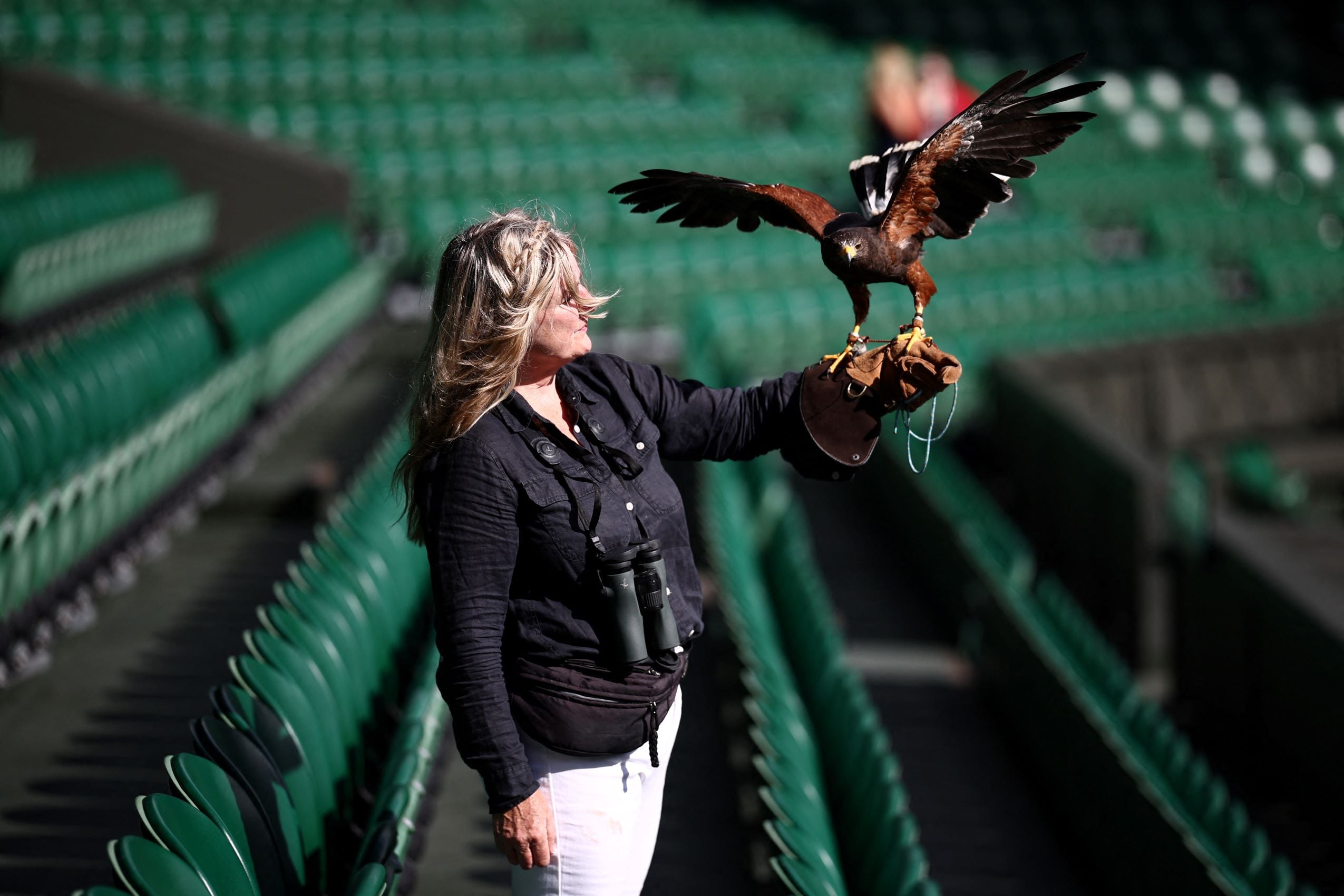
Wimbledon employ a Harris hawk named Rufus to scare the pigeons away from the courts every morning during the tournament.
Pigeons are unwanted at Wimbledon in order to protect the pristine grass and so as not to disrupt play, so Rufus acts as a natural predator to keep them at bay.
Rufus has been in the position for the last fifteen years, having taken over the previous hawk, Hamish.
Why does Wimbledon have a curfew?
Wimbledon operates a strict curfew at 23:00 with no play allowed beyond that time.
The local council introduced the curfew in 2009 when the roof opened on Centre Court in order to minimise the disruption to local residents and ensure spectators could get home safely on public transport.