Black History Month: Remembering Althea Gibson’s lasting Impact on tennis
• 4 minute read
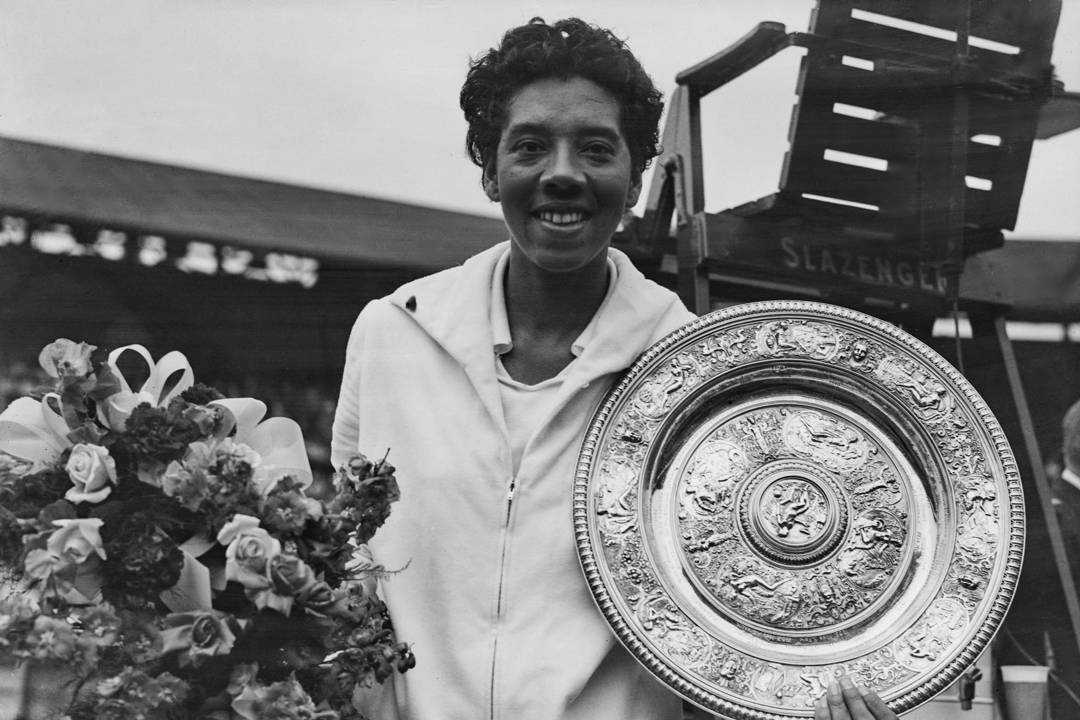
Althea Gibson smashed through one of tennis’s biggest barriers when she became the first Black woman to win Wimbledon in 1957. Nearly 70 years on, as we celebrate Black History Month, her legacy continues to inspire new generations of players.
The American blazed a trail for future champions such as Serena and Venus Williams and helped change the face of tennis in Britain and around the world.
She won the first of her five Grand Slam singles titles and became a sporting superstar just six months after Rosa Parks was arrested for refusing to give up her seat on an Alabama bus.
Gibson is another Black woman who fought discrimination. Her achievements remain a powerful reminder of the importance of representation – and how greater diversity can enrich the sport and society.
Former British No.1 Heather Watson said: “Althea Gibson’s legacy is deeply inspiring because she proved what was possible when the doors were completely shut. As we mark Black History Month, it’s so important to shine a light on her influence.
"She didn’t just win Grand Slams; she laid the groundwork so that future players of colour could pick up a racket and compete as their authentic selves.”
Gibson lived an extraordinary life. Born in Silver, South Carolina, in 1927, her parents, Daniel and Anna, were sharecroppers until the family moved to New York City in 1930.
She started competing in the predominantly Black ATA Championships and only received an invitation to the National Championships at Forest Hills in 1950 after fellow player Alice Marble publicly admonished the USLTA over its colour bar.
The following year, Gibson became the first Black woman to compete at Wimbledon, and in 1956 she became the first Black player to win a Grand Slam title at Roland Garros.
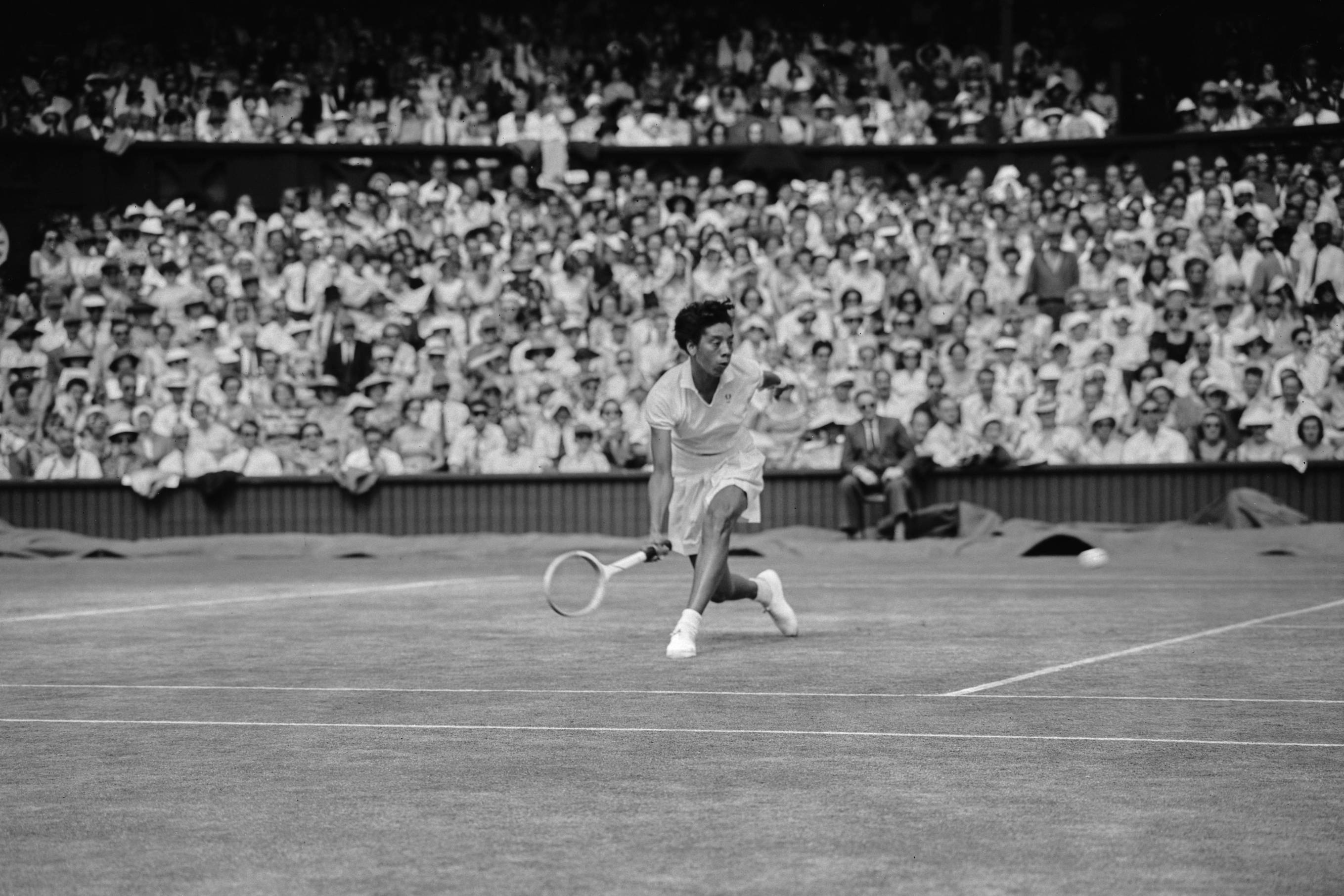
She didn’t just win Grand Slams; she laid the groundwork so that future players of colour could pick up a racket and compete as their authentic selves.
Later that summer, she won the Wimbledon ladies’ doubles title alongside Britain’s Angela Buxton. It was the start of a lifelong friendship between two tennis outsiders: the Jewish girl born in the north of England and the Black girl from Harlem.
Gibson returned to win the Wimbledon ladies’ singles title in 1957 without dropping a set and became the first champion to receive the trophy from Queen Elizabeth II.
“Shaking hands with the Queen of England was a long way from being forced to sit in the colored section of the bus going into downtown Wilmington, North Carolina,” she wrote in her autobiography, 'I Always Wanted to Be Somebody'.
Gibson was given a ticker-tape reception on Broadway before winning the US Open and being voted American Female Athlete of the Year. She was also ahead of her time in terms of playing style. The 5ft 11in right-hander had a big serve and played an attacking game.
Gibson retained the Wimbledon and US Open titles in 1958 but then retired from tennis with a total of 11 Grand Slam titles: five singles, five ladies’ doubles and one mixed doubles.
She made an album, appeared on 'The Ed Sullivan Show' and toured with the Harlem Globetrotters before becoming the first Black woman to join the LPGA golf tour in 1963. She made 171 starts before 1977.
She fell on hard times in the 1990s before Buxton helped raise money for her medical treatment. Following Gibson’s death in 2003, she was honoured with a statue at Flushing Meadows in 2019, as her life and legacy received belated recognition.
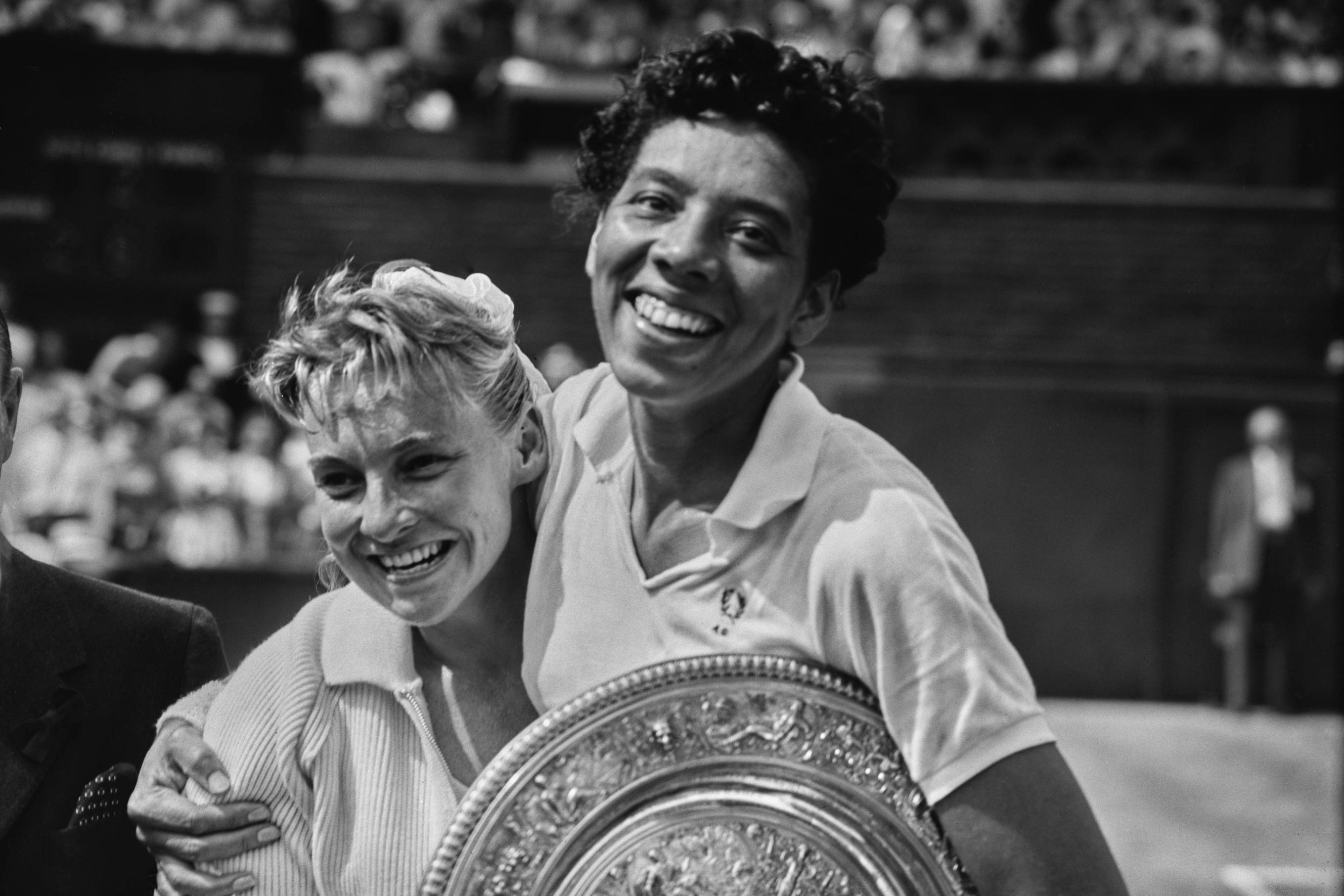
Althea opened doors that had previously been closed, and Venus and Serena changed the sport forever.
Billie Jean King said: “If it hadn’t been for her, it wouldn’t have been so easy for Arthur Ashe or the ones who followed.”
Yasmin Clarke, a former elite player who comes from a tennis family, said: “I was introduced to Althea Gibson and Arthur Ashe from a really young age. My dad always made a point of showing us these incredible players as we were growing up and finding our way in tennis.
“I think there’s a real connection between these generations of players who have challenged perceptions of what a tennis player looks like and the diversity in tennis today.
“Althea opened doors that had previously been closed, and Venus and Serena changed the sport forever. I think the real power of these women is that they’ve helped generations of young Black players see tennis as a sport where they can succeed and thrive.”
Billie Jean King Cup captain Anne Keothavong, who is of Laotian descent, recalls tennis still being a white-dominated sport early in her playing career.
“Now, when I look at British tennis, I do feel that we have come a long way and it is more diverse, from junior tennis all the way through to professional tennis,” she said.
“I think it is fantastic, and I do think the Williams sisters have contributed a lot to not just tennis but sport and how women of colour are seen. Tennis is now more diverse and hopefully stronger for it.”
Clarke is now a member of the LTA Board Member and a Councillor, and Level 5 Master Tennis Coach. “I think we’re making some really positive progress, but there’s still plenty to do,” she said.
“Our vision of Tennis Opened Up is about making tennis a sport for everyone. Ultimately, I’d love us to reach a point where someone’s background is never a barrier to what they can achieve in tennis.
"I don’t want the next generation to have to be trailblazers, just to simply feel that they can achieve whatever they set their minds to. That’s the legacy I think we should all be working towards.”
Article written by Neil McLeman
Find out more
Learn more about Tennis Opened Up, the LTA's vision to make tennis relevant, accessible, welcoming and enjoyable for everyone, and discover the partnerships helping to drive the sport across Britain.