
Analysis
Performance analysis: How stats & data support the Lexus GB Davis Cup team
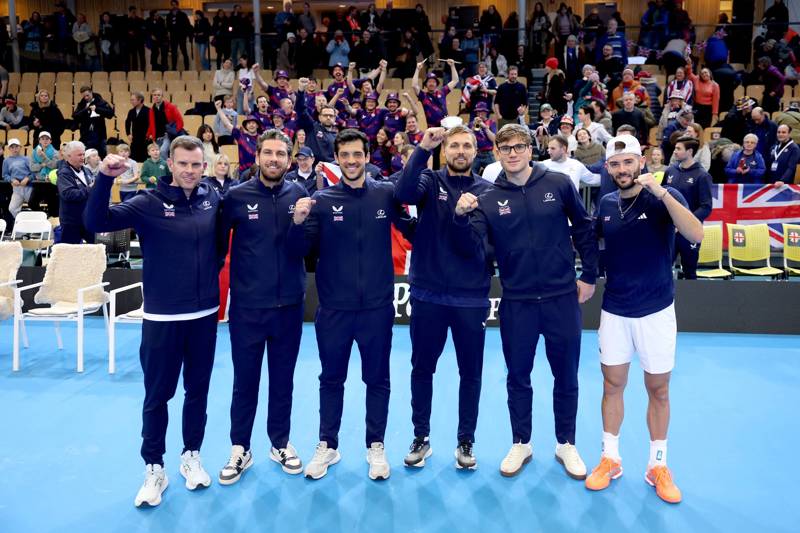
Performance analysis plays a key role in tennis behind the scenes and understanding data in sports is becoming increasingly important.
At the LTA, our Performance Analysis team supports the British tennis players all year round, including support for the Great Britain Davis Cup and Billie Jean King Cup teams.
Jani Ko, LTA Performance Analyst, leads the support for the Davis Cup squad as part of a team that has won eight out of eight individual matches this year en-route to the Finals in Bologna.
As Jani and the team prepare for the Davis Cup Finals, he gave us insight into his role within the team, how performance analysis works, and his preparation for the tie with Germany later this month.
How do you support the Davis Cup team as an Analyst?
Davis Cup is a unique one for tennis because we know who we’re going to play a few weeks or months in advance. It’s very different to the tours or the Slams. It gives us a chance to go in depth into the opponents.
Obviously, you never quite know who they will pick from the squad to play, so we always prep for alternates. Fortunately, in the Ecuador tie, they had some clear favourites for who we might be facing.
In terms of the preparation, there are three key areas for my role. First, creating a scouting report on the players. That’s going through the players' stats and picking out some key insights.
The second is creating a video. It’s very important to merge the data with something that can bring those insights to life. It creates something that we can watch through and discuss with the players.
Finally, the third part is bringing it together in the room with Leon Smith, James Trotman, Alex Ward - all the Davis Cup coaching team. We can have a bit of a collaboration; they might challenge things, ask questions, highlight a few areas, and give me some bits to go away and look at.
What information do you provide in scouting reports?
With the scouting reports, it starts with the numbers. About 60-70% of it goes back to some repeatable questions across almost all players. Do they favour a serve? Does that change on break points? Where do they like to return from? What’s their game style? Do they have preferred patterns of play?
The other 30% is looking at the opponents on a more individual level but then also factoring in our players, their strengths, and how they can best use those against them.
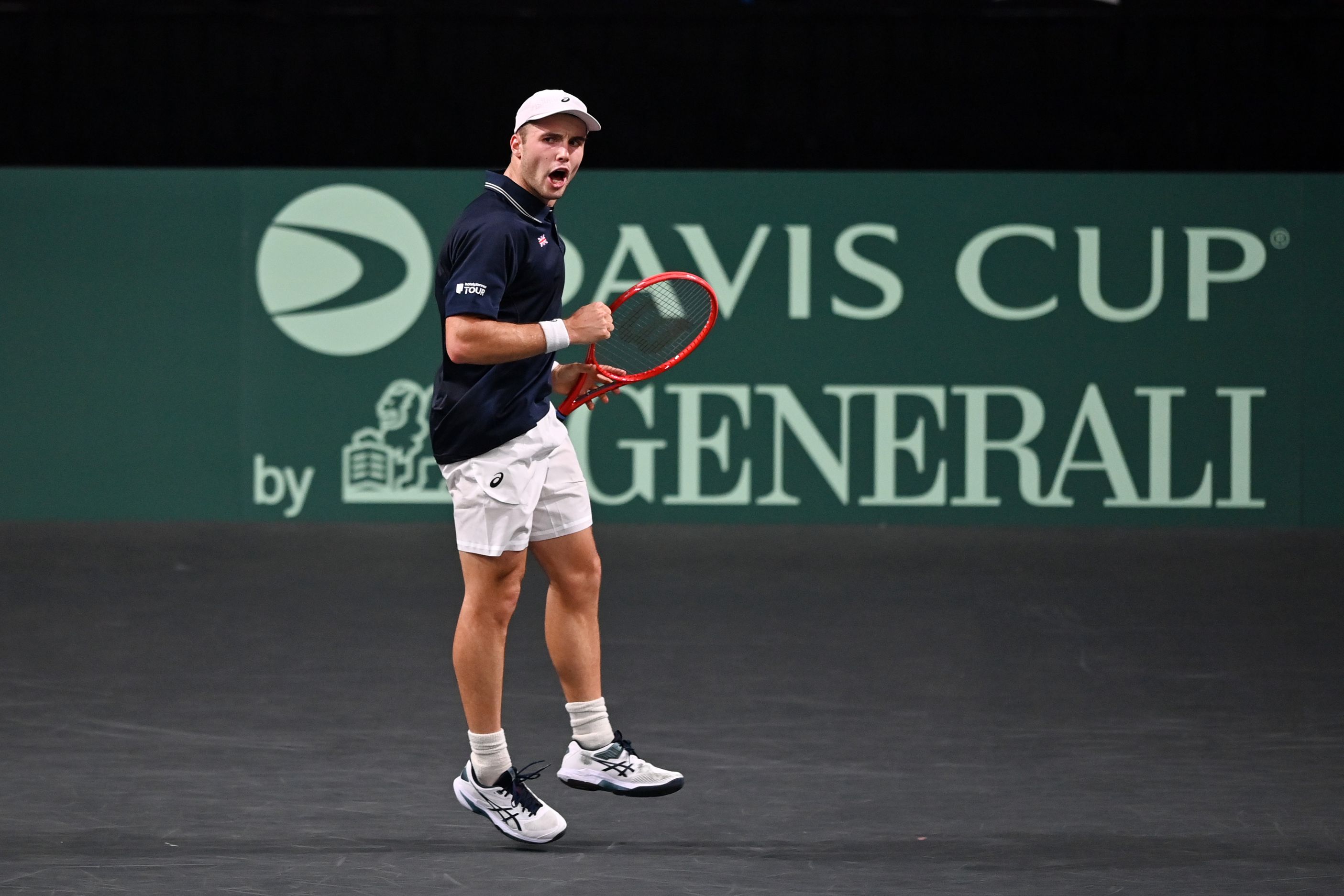
Arthur (Fery) is a great example in that case. He’s very crafty in how he approaches the net, so we might look at what to expect when he comes in.
We also know that one of Arthur’s strengths is playing longer rallies, so we compare that to the opponent. What’s their rally tolerance like? Are they good in exchanges of nine shots or more? Is this a strength we can lean into more?
How are stats shared with the players?
The coaches ask us for the information they want; we supply that to them, and then they will disperse it to the players in the way they think is best for that individual.
Everything in tennis is very individual. It’s the coaches and the players that have the relationship to deliver information in the right way and, importantly, not overload them. It’s not about just throwing a lot of stats out there; the coach has to go through it and pick out a few key points for them to focus on during that match.
Can you help the players during matches?
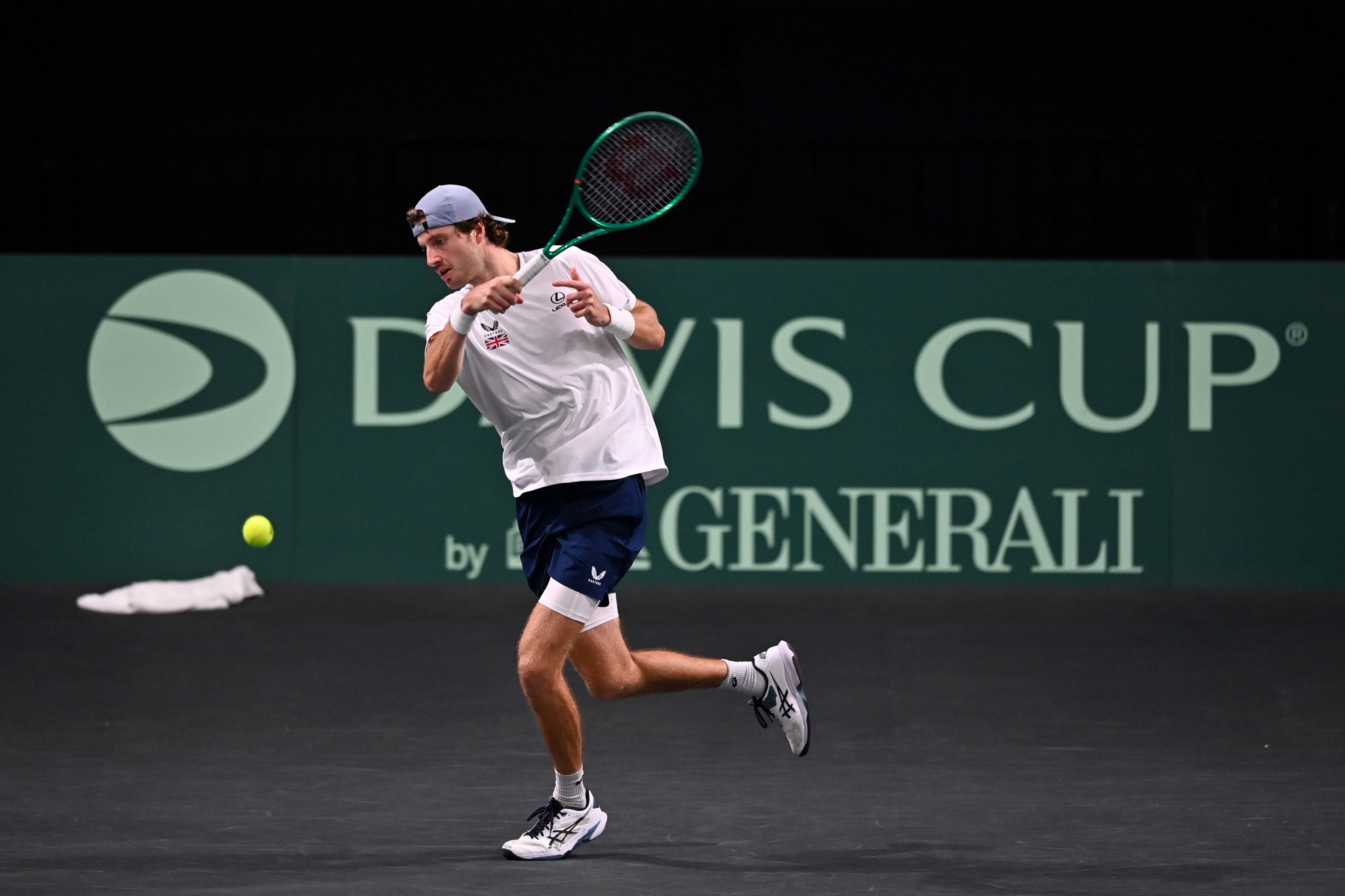
The Davis Cup again is unique in that it’s the only event where I have to generate my own data manually.
During matches, I’m logging every point as live, collecting that data, and then feeding insights to the team on the bench.
The live insights are very easy to overcomplicate. The cleanest and most concise messaging is what you need to gain an advantage. Less is certainly more. There’s only so much you can share and how much the player can take in.
What stats and data do you share with coaches during matches?
For the Ecuador tie, I was sending a two-page report. One page was KPIs relevant for our players e.g., the % of time they are in attack or defence, net approaches, forehands in, return points won, etc.
That’s formatted to our players' averages. We will feed back on how they are tracking and give a quick overview of performance against what is expected.
The second page is a breakdown of first and second serves by direction for both players. We can then see: does our player need to mix it up a bit more? Is one spot performing better than others? Are there any key patterns in the way the opponent is serving?
However, sometimes there are things beyond the stats that you can see from just having a feel for the match as well that you have to consider as well.
Toby’s (Samuel) match was a great example of that. You could maybe see more of that human emotion in the first set, but once he settled in, the stats moved into the green during the rest of the match.
What will your preparation look like between now and the Davis Cup Finals?
Ahead of the Finals, over the next few weeks I’ll be going through all of their opponents and seeing what the likely line-up might be and who the alternates might be.
As a nation, we have a bit of a variety of right- and left-handed players, which does change how we scout those specific opponents to suit different players in our team.
We want to know what we can expect from those German players and what areas we can exploit.