
How to improve your second serve: Expert tips & techniques
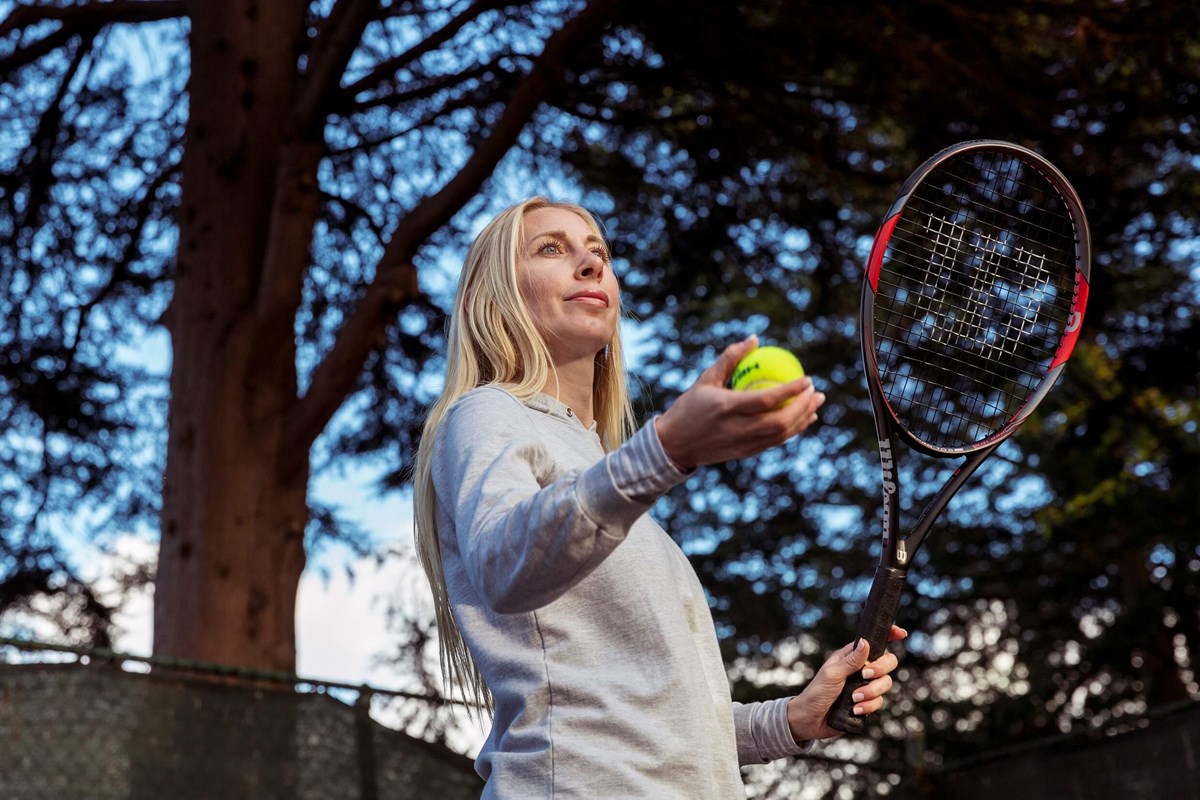
The second serve is the foundation of any player’s game. In fact, many say that a player is only ever as good as their second serve.
While you might look to take a bit more risk on the first serve to get in an advantageous position, the second serve is about making sure you get the point started and the ball ‘over and in’. Consistency is a key tactic in tennis.
That doesn’t mean you can’t still be effective off the second serve – but consistency is important. You want to try to get yourself into a neutral position in the point.
LTA expert tennis coach Matt Smith gives his advice and tips for second serves for beginners, intermediate and advanced players, including guidance on dealing with tension.
Beginners tips
The number one thing on a second serve is getting the ball in play. If it doesn’t go in, you lose the point before it’s even started.
To start with, if you’re a beginner, just hold the racket how you feel comfortable with.
The general rule when your starting is to try and hit the ball when it’s nice and high off the ball toss.
The higher you reach, the more of the service box your shot can see – so it’s more likely to go in. Wherever your racket is facing – that’s where the ball will go.
Intermediate tips
For a club or intermediate player, start by holding the racket in a continental or ‘chopper’ grip.
To do this, hold the bottom of the racket in your dominant hand as if you’re trying to shake hands with someone.
Using this grip will help you hit around the side of the ball to create more spin – which can be particularly useful on second serve.
Aim to hit the ball with your strings making contact with the side of the ball so it spins horizontally like a frisbee. That means the ball floats a bit more in the air and it gives it more time to come down.
It also has a reaction on the court as well which makes it harder to read. It allows for a slower and more consistent serve that can still be effective, so it’s great for a second serve.
Advanced tips
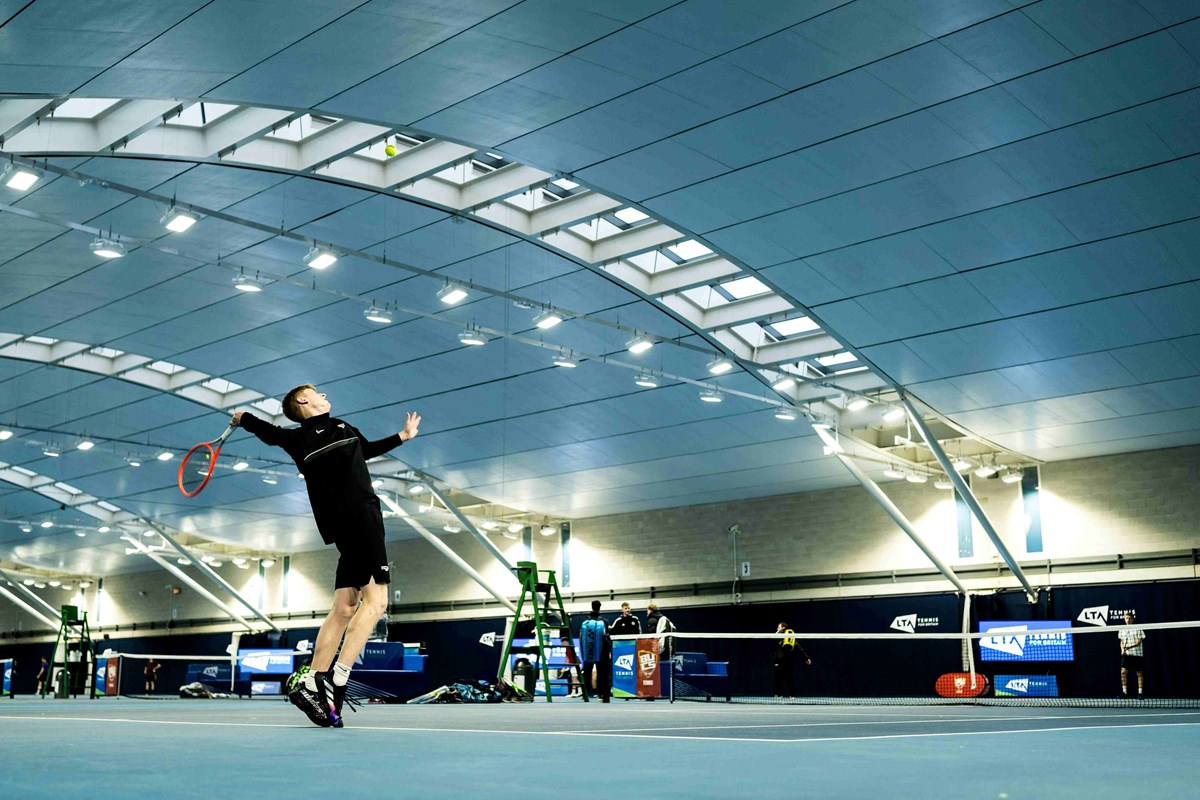
More advanced players can also look to hit top spin – or kick – on their second serves.
For this you want to be tossing the ball slightly back over your head and then brushing up behind the ball to create that top spin.
This spin provides extra height over the net and means you can put a bit more speed behind the ball and still get that consistency.
Kick serves are often quite hard to attack – especially if you hit it into your opponent’s backhand as the ball jumps up high – hence the name ‘kick;.
Dealing with nerves and tension
A good tip is just to start with a serve every time you play – even in practice. It’s only going to help you get comfortable hitting the shot repeatedly, so when it comes to a match you don’t tighten up as much.
One good thing to try is shaking your body out after the first serve, just to help loosen up.
Breathing can also help release the tension in your shoulders, legs, etc. We call it the power pose when you have your chest out, look at your opponent and breathe out on contact.
Visualisation can also be an effective technique – picture how you’re going to hit the serve and where it’s going to land, ensuring you ‘see’ a positive outcome.
Second serve practice drills
There are two great second serve drills you can practice in match scenarios.
In one practice drill, you can try to create the tension by playing points where each player only gets one serve per point.
You can also go the other way where you get unlimited second serves, just to help you get into that rhythm of hitting the serve over and over again.
Book a tennis court
Find your nearest tenis courts and book your next hit.