
Analysis
What we learnt from Arthur Fery’s Wimbledon run
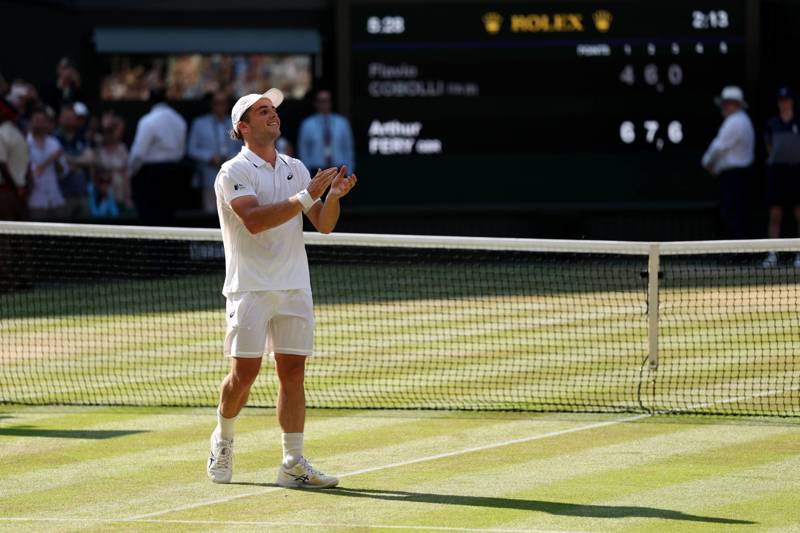
Arthur Fery’s run to the Wimbledon semi-finals is one of the great stories from the 2026 season so far.
Having come into the tournament as a wild card, ranked at world No.114, Fery defied all the odds to become the fifth British man in the Open Era to reach the final four of the men’s singles.
He’s one of only two wild cards to have ever reached the semi-finals at Wimbledon and has been rewarded with a new career-high ranking of 36 in the world and the title of British No.1.
Fery has now taken the mantle of Britain’s newest tennis star. As he gets set to embark on new challenges at the highest level of the game, we look back at what we learnt from the 24-year-old’s Wimbledon run and analyse his performances.
A player for the big moments
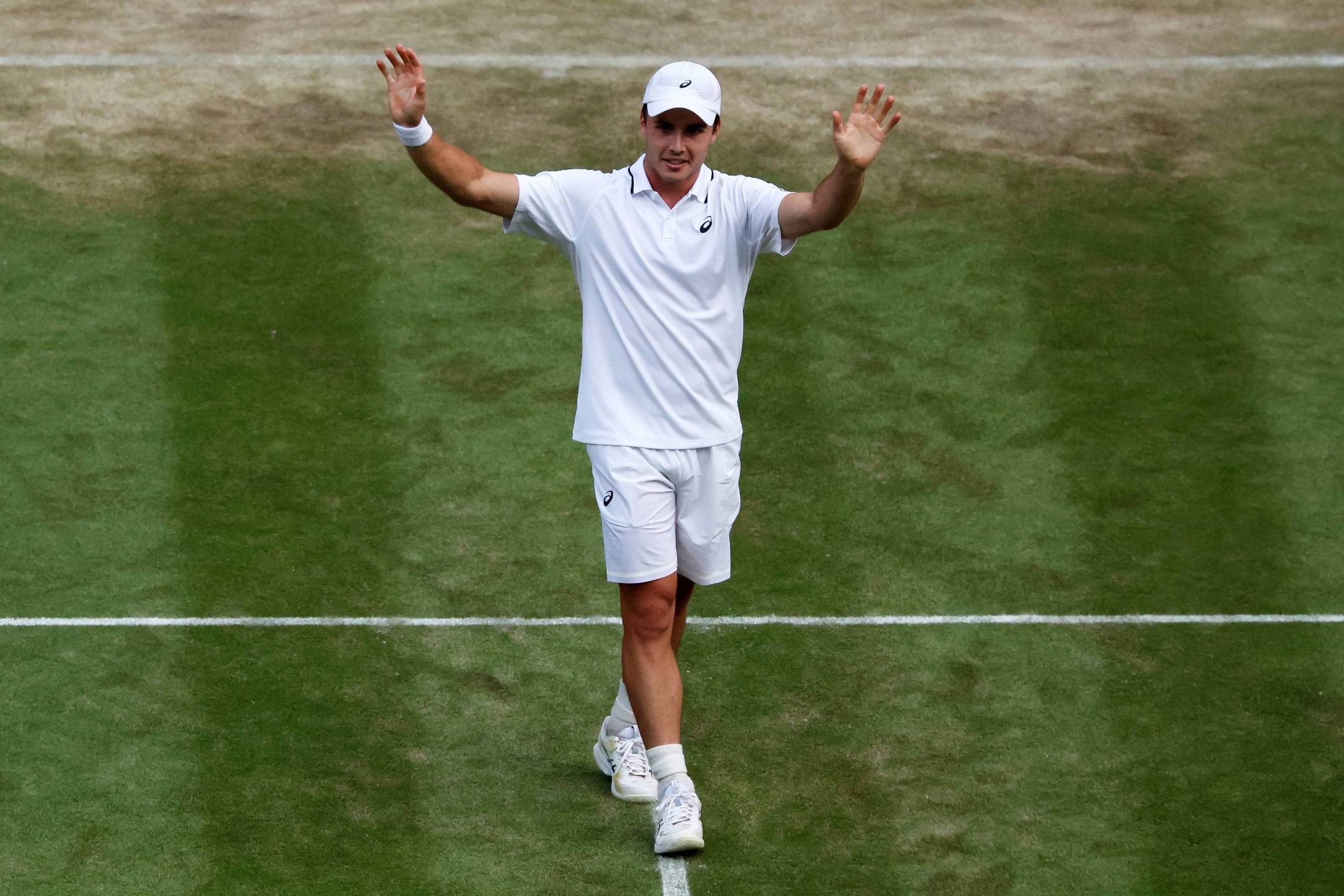
The standout quality from Fery’s run at Wimbledon was his ability to stand up in the big moments and play his best tennis.
Playing at a home Grand Slam and reaching the latter stages for the first time would normally bring huge pressure, but you wouldn’t know it watching Fery throughout his time at SW19.
The British star won five of the six tie-breaks he played – only losing one to Alexander Zverev in the semi-final – including two match tie-breaks in the fifth set of his third and fourth round matches.
Fery also arguably played his best match in his first-ever Grand Slam quarter-final against world No.10 Flavio Cobolli, breezing past the Italian in straight sets on Centre Court.
The stats back it up as well. Fery performed at his best in pressure moments – winning 77% (69/90) of points on serve at either 30-30 or deuce, and won 51% (26/51) of all break point opportunities created.
Movement and net play
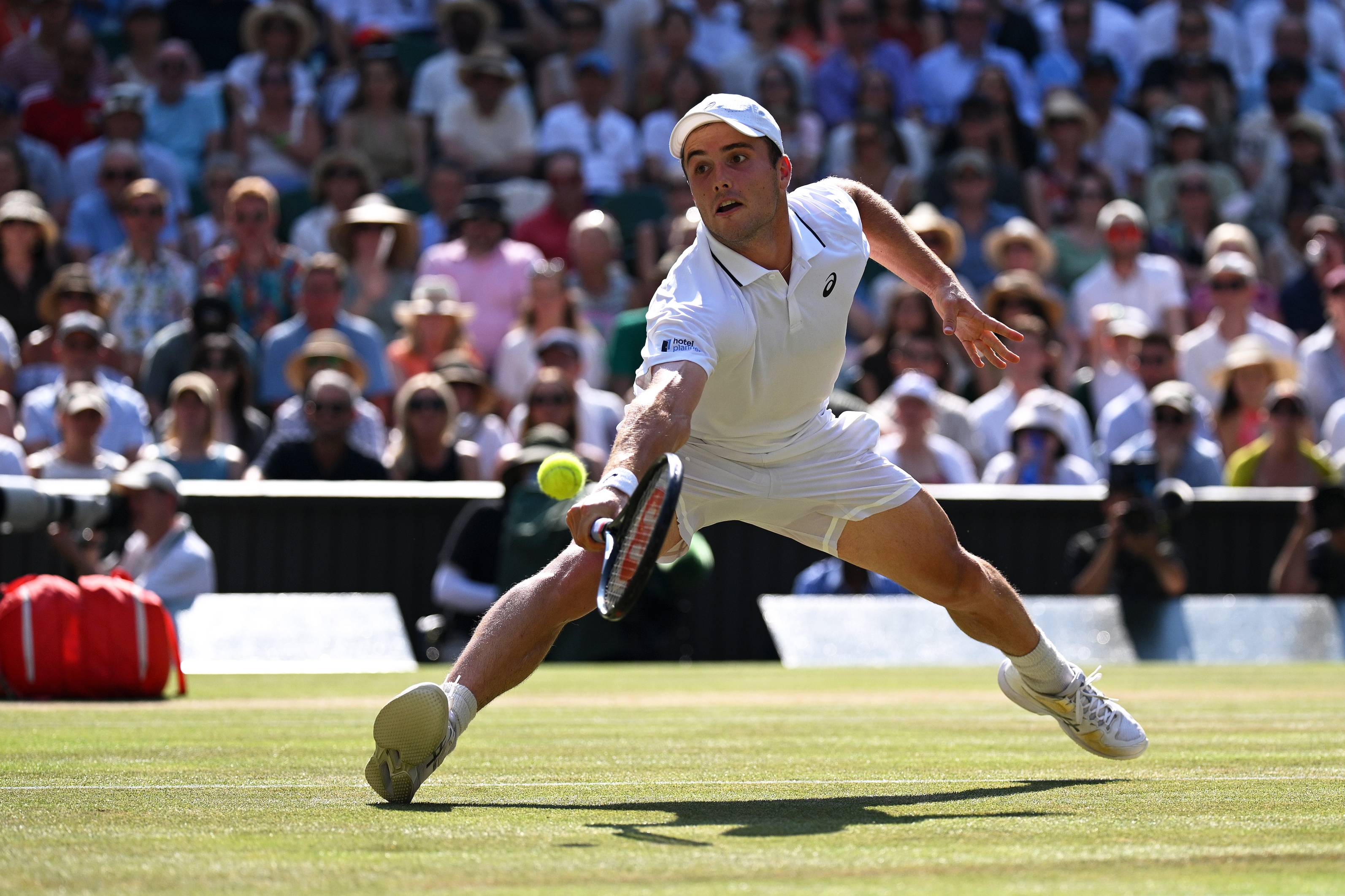
Watching Fery in full flight on a grass court is a sight to behold. Many pundits and experts marveled at his movement, footwork and court coverage during his run to the semi-final.
Former British No.1 and world No.4 Tim Henman referred to the young British star as a ‘phenomenal mover’ on court.
Like Henman, his strong movement means that he can get into the net quicker to close out points – a tactic that served him well throughout the tournament.
The proof is in the statistics. Fery had a 64% (165/256) success rate on points where he came into the net, which reached 76% during his match with Cobolli.
He also won 67% (33/49) of transition points, which is when you switch up from defence to attack during a point, showing his ability to use his speed and physicality to turn rallies in his favour.
Maximizing his strengths
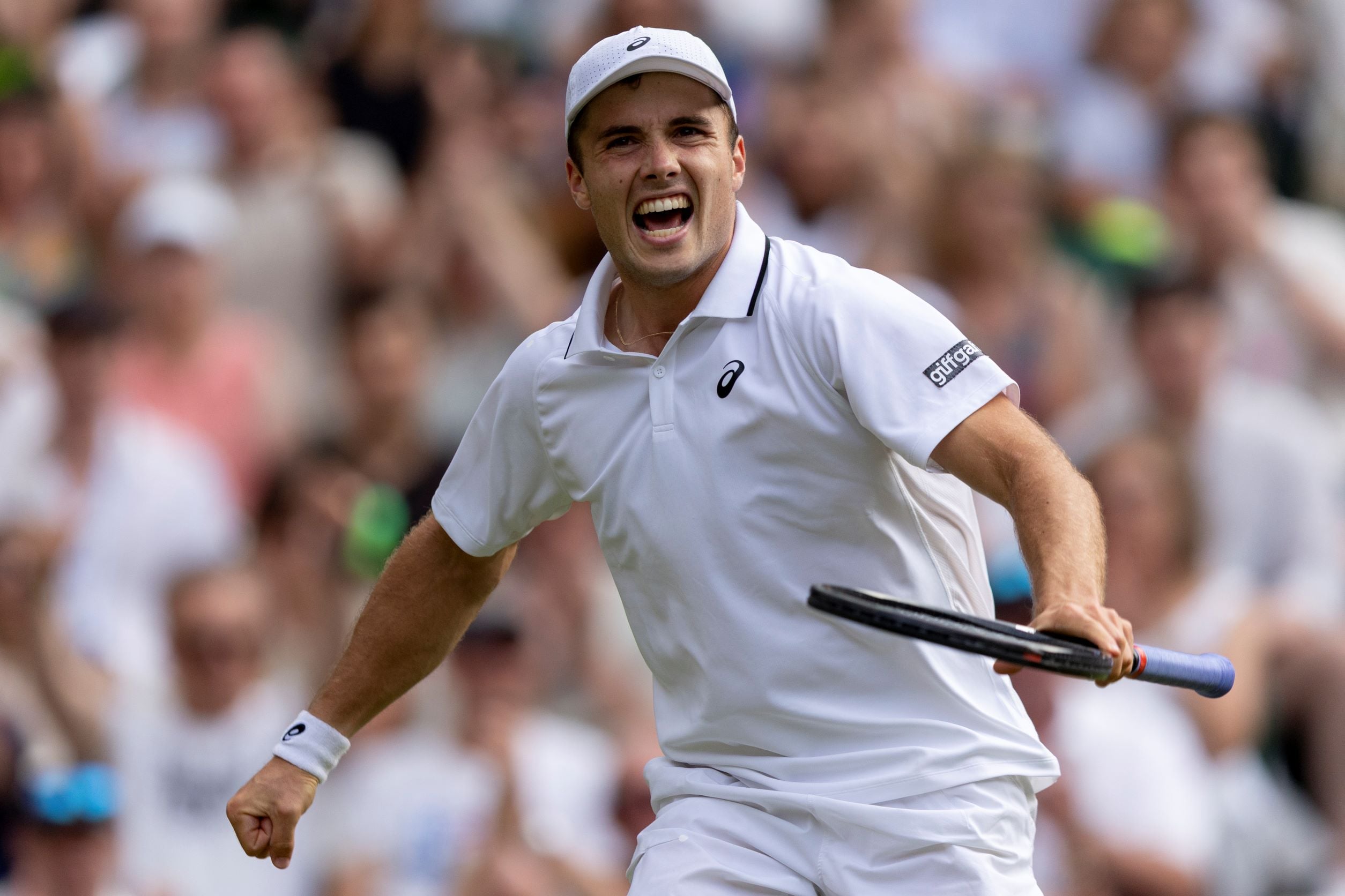
While Fery isn’t blessed with a Zverev-like serve to bank himself free points, he has developed his game to maximise it’s effectiveness.
More akin to a Roger Federer or Dan Evans, Fery is able to accurately pick his spots and cause damage on serve in his own way.
This is usually in his following shot, or what we call the serve +1. The idea is that if you can put your serve in a spot that’s difficult to return, or it’s unpredictable, you can punish your opponent with the follow-up shot.
At Wimbledon this year, Fery won more serve +1 points than any other player in the draw with 137. To put that in context, eventual champion Jannik Sinner was second with 119, and he played an extra match.
It’s a great demonstration of how Fery was able to find different ways to be effective on the Wimbledon grass, play smart tennis and utilise space when on his own serve.
Thriving on the grass
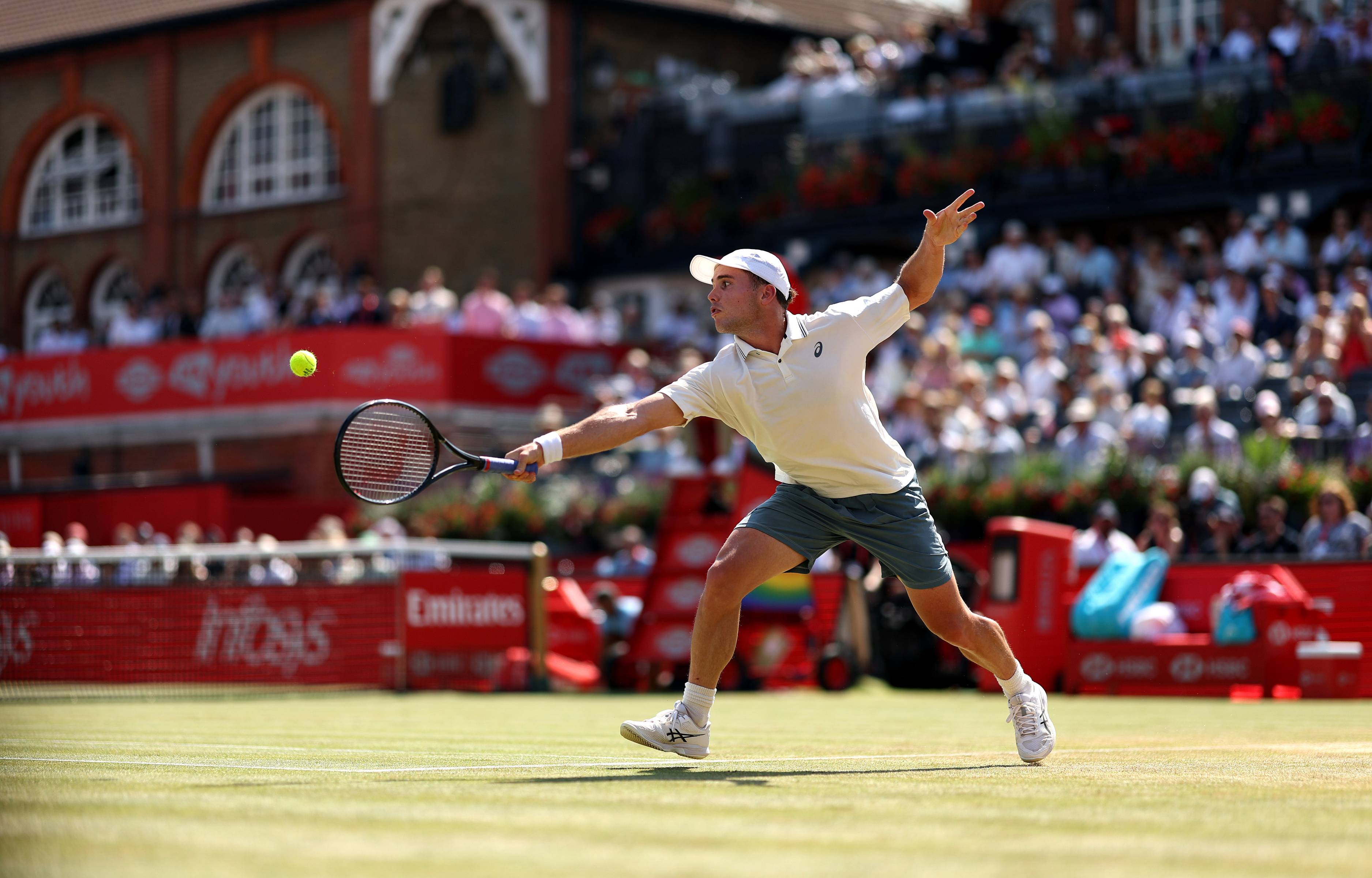
Fery’s impressive performance at Wimbledon may have been a surprise to some, but those who have been across the whole grass court season will have known that the young Brit had been building momentum all summer.
His semi-final run at the Lexus Birmingham Open – the first tournament of the grass court season – set the tone for a summer that also saw him reach a maiden ATP 500 quarter-final at the HSBC Championships and the second round at the Lexus Eastbourne Open.
Fery has a game that is built for the grass. His biggest strengths are his tennis IQ, speed and court coverage, and his all-court game – all traits that lend themselves well to the low-bouncing, quick grass courts.
His challenge now will be translating that game to all surfaces – starting with the hard court swing in the US. The work he’s put in behind the scenes to build his physicality and lean into his strengths will no doubt serve him well as he takes on a new schedule at some of the biggest tournaments in the world.