
Coaching tips
Playing on clay: What you need to know to improve your game
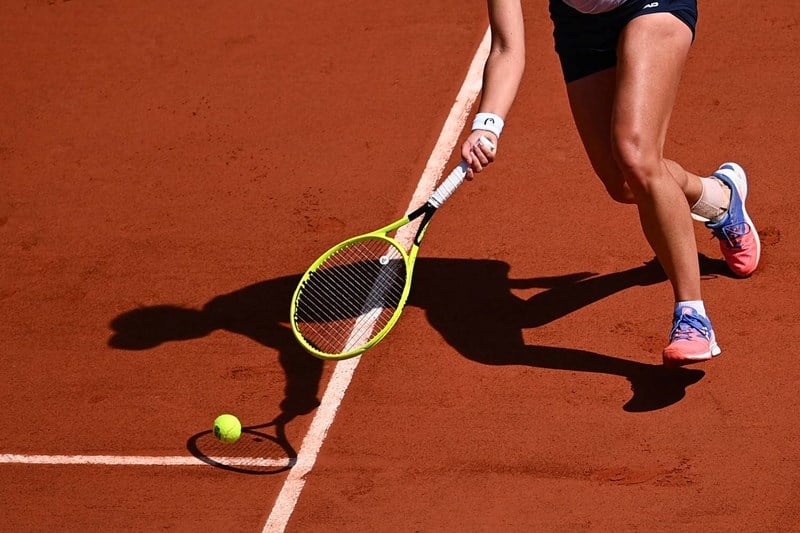
The clay court season is in full swing and while the pros are competing on the world stage, we're on hand with everything you need to know about plaing on clay at your local club.
From judging the ball characteristics to moving on court - we break down the essential information you need to become a master of the clay, including tips from Heather Watson and Jay Clarke.
Check out our full court suface guide
How does the ball bounce on clay courts?
When playing tennis on a clay court, the ball will generally kick up and bounce higher – especially if it’s hit with top spin. This is because the surface is gritty so the ball bounce ‘grips’ more.
Generally, clay courts will play slower than other surfaces, which makes for lots of long rallies.
Jay Carke’s top tips for adapting to the clay:
- Adapt your training to cater for different conditions
- Add more spin to your groundstrokes to cater to longer rallies
- Take some heat off your serve to set up for the next shot
What type of game style suits clay courts?
As the ball tends to sit up more and plays slower on clay courts, you tend to have lots of rallies at the baseline with fewer direct winners.
The clay tends to favour players who like to play aggressively from the back of the court and like to hit the ball with heavy top spin and high net clearance. People who are good movers tend to like clay courts.
It can be a more physical surface to play on, and you have to play high percentage tennis to stay in the points. Players tend to stand further behind the baseline to account for the higher bounce and give themselves a bit more time to deal with inconsistent bounces.
How should you move on a clay court?
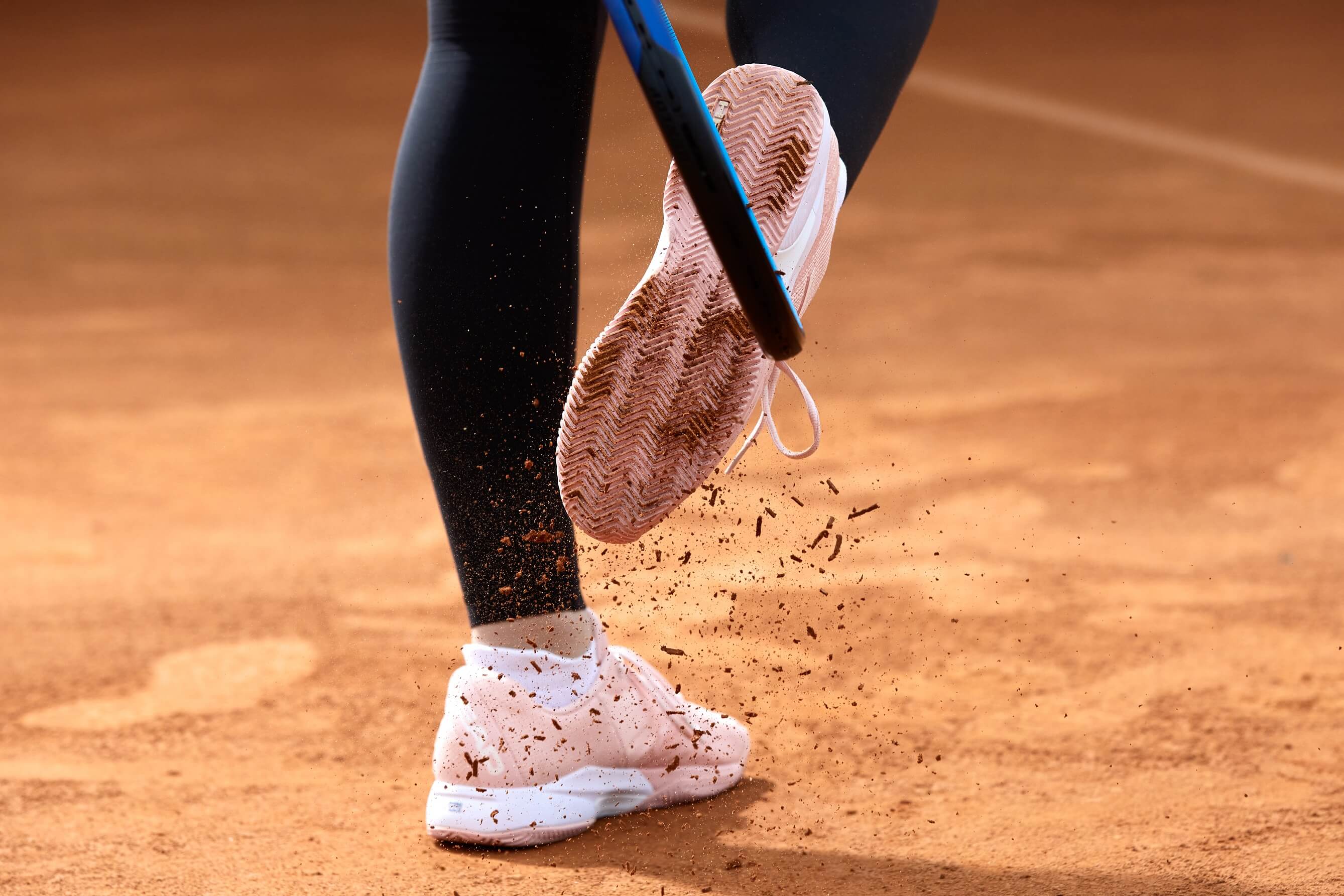
The loose surface of a clay court makes it harder to stop and change direction. That’s why you see more players sliding on the clay to help push off again after hitting a shot. This helps you slow down after running to a shot and allows you to get back in position quicker.
As it’s a more unnatural movement, it’s worth spending more time practicing on court, so you feel more comfortable next time you’re having a hit or playing a match.
You can get specific clay court trainers with a larger herringbone to gain some extra grip. Generally, this surface is more forgiving on knee joints as a lot of energy goes into the sliding action.
Heather Watson’s top tips for perfecting the slide:
- Neutralise your centre of gravity before hitting
- Always slide into your shots, not after you’ve hit
- When sliding make sure that your knee doesn’t go over your toe
Book a tennis court
Find your nearest tenis courts and book your next hit.