
Behind-the-scenes
Life on tour as a professional tennis coach: Training schedules, scouting players & analysing stats
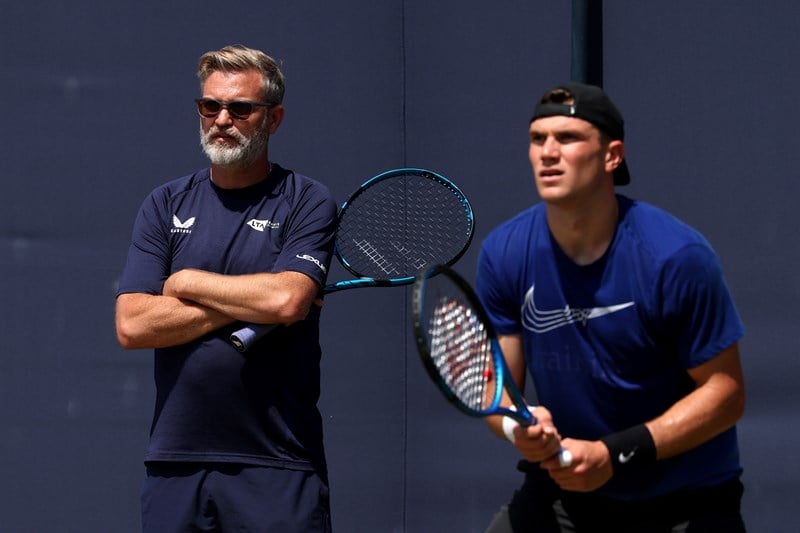
Ever wondered what life might be like as a professional tennis coach travelling the world with a player on the ATP or WTA Tour?
As a coach there is a lot to manage – from day-to-day logistics to ensuring your player is physically and mentally prepared to give their all on the court and ultimately, win matches.
LTA Men’s National Coach James Trotman has had plenty of experience of tour life throughout his career – most recently supporting British No.1 Jack Draper during his rise into the world’s top five.
We recently caught up with him to get an insight on a coach’s day-to-day role with players on the road, how they can influence player performance and navigating the challenges of the professional game.
The role of a coach on tour
As a coach you have to play a few different roles and support players in a lot of areas. For example, you're the person organizing the practices for your player.
One thing that's changed on tour quite dramatically now is that a lot of the practices people are setting up weeks, if not even months in advance when you're leading into the bigger tournaments.
You're trying to sort of be organised and thinking ahead to try to and get exposure to the best players in the world as much as possible.
It was always something I was keen to do for Jack (Draper), especially while he was moving up the rankings. The more exposure he could get to hit with, you know, Carlos (Alcaraz), (Alexander) Zverev, Jannik (Sinner) or any of those guys, I think was incredibly important.
You're also co-ordinating the day and planning the schedule which for these professional players could be incredibly busy around their, physio, warm up, the nutrition and gym work.
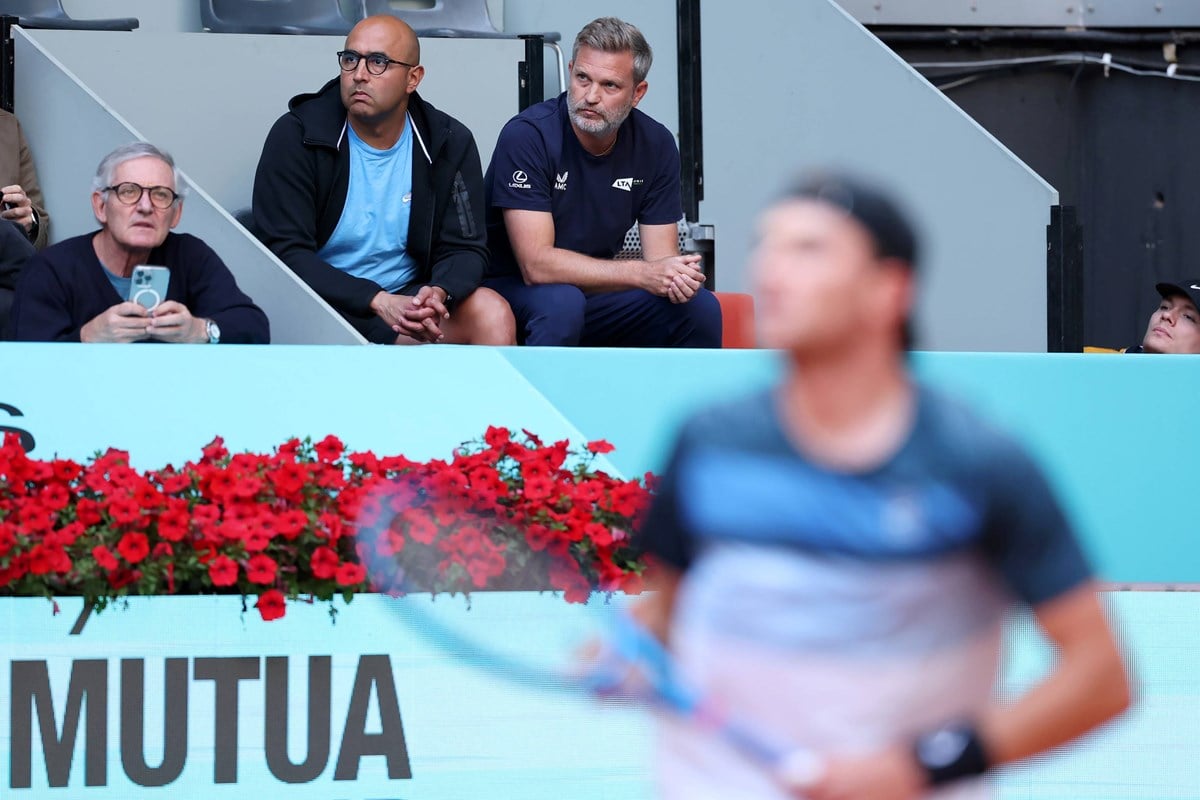
The challenges for professional tennis coaches
You’re trying to navigate all these things and there’s a lot of moving parts.
You've got to be able to react at times. Your communication has to be strong with the player and the team no matter what’s going on.
As much as you're going to plan something, like setting up your practice for Wimbledon over the clay season, you don't know what's going to happen.
Are they going to be coming in with an injury? Are the guys you're hitting with going to be coming in with an injury? How many matches have they had the week before? Maybe you're having to manage the load slightly differently on that week.
I think having a plan is really important, but the ability to be flexible and to adapt at a moment's notice is also something that's an essential part of the job.
Delivering stats and coaching points
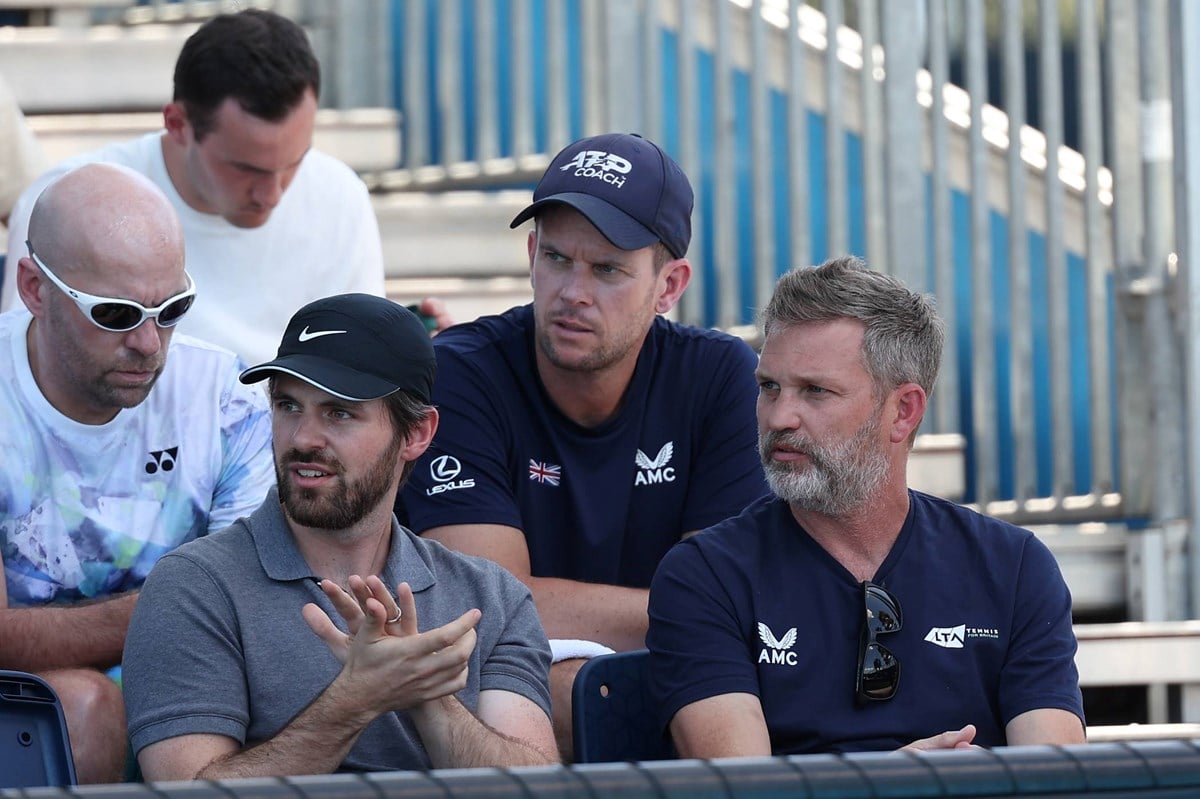
Around match days, you're going to be scouting the opponents. You're spending time either watching their opponent if they're still to play and you've got time to do that on site, or you're going to watch a video stream of matches that they've played.
When delivering that to your player, knowing them inside and out is really important. How much information they can take on, what is their skill set, how their game will match up with the opponents, etc.
You'll spend hours and hours of work scouting these matches and making your notes and preparing for it, but I would still always be focused on the player primarily, the expectations that they have for themself and that we would build as a team.
With Jack, we would focus on him as a performer, his mentality, how he wants to manage those situations, his routines, his game style, his game identity.
Then on top of that for Jack, when it came to specific coaching points and tactics, I'd usually try and keep it pretty simple. Two to three things around the opponent that they'll be aware of too.
Against a lot of these great players there'll be certain things that maybe they do a little bit more predictable or certain things that they don't do quite so well, but they have the ability still to be able to change that on any given day.
However, if your level isn't coming on to the court anyway, for me that's very secondary. It's not really going to make a difference if you aren’t putting your first-choice game on the court.
Inspired to become a tennis coach?
Find out more about becoming a tennis coach or continuing your journey with more qualifications and learning.