
How you can support girls playing tennis
Tennis may be more gender-balanced than many sports, but we’re not equal yet.
Girls still face more barriers to getting active and staying in sport – and parents have a powerful role in changing that.
While these are most often unconscious and unintentional, having greater awareness and taking pro-active steps to avoid them can make a huge difference to your daughter’s fundamental early experiences of sport.
Here are six things you should know about supporting girls to play and enjoy tennis, and the role you have in developing a lifelong journey with sport.
1. Girls face barriers that boys don’t
The barriers girls and women experience in sport are cumulative.
Girls face more “disruptors” including fear of judgement, stereotypes and lack of opportunity, which build up over time and chip away at confidence, enjoyment, and participation.
By primary age, only 30% of parents feel sport is “very important” for their daughters, compared with 41% for sons, reinforcing how early social influences shape girls’ attitudes towards sport (Women In Sport, 2023).
This means that even from an early age, girls are facing unique barriers that boys don’t, making them less likely to want to get involved in sport during a crucial period in their development.
2. Stereotypes undermine confidence
Girls pick up on and are shaped by everything they see and hear – from parents, friends, coaches, school, media, toys, and marketing.
Stereotypes start early for girls and whether they’re intentional or not, can leave them feeling like sport isn’t “for them”.
Your words matter. You can help girls feel strong, capable, and welcome in sport by:
- Praising effort, attitude, concentration, and commitment
- Avoiding appearance-based comments
- Never using “girl” or “girly” as an insult
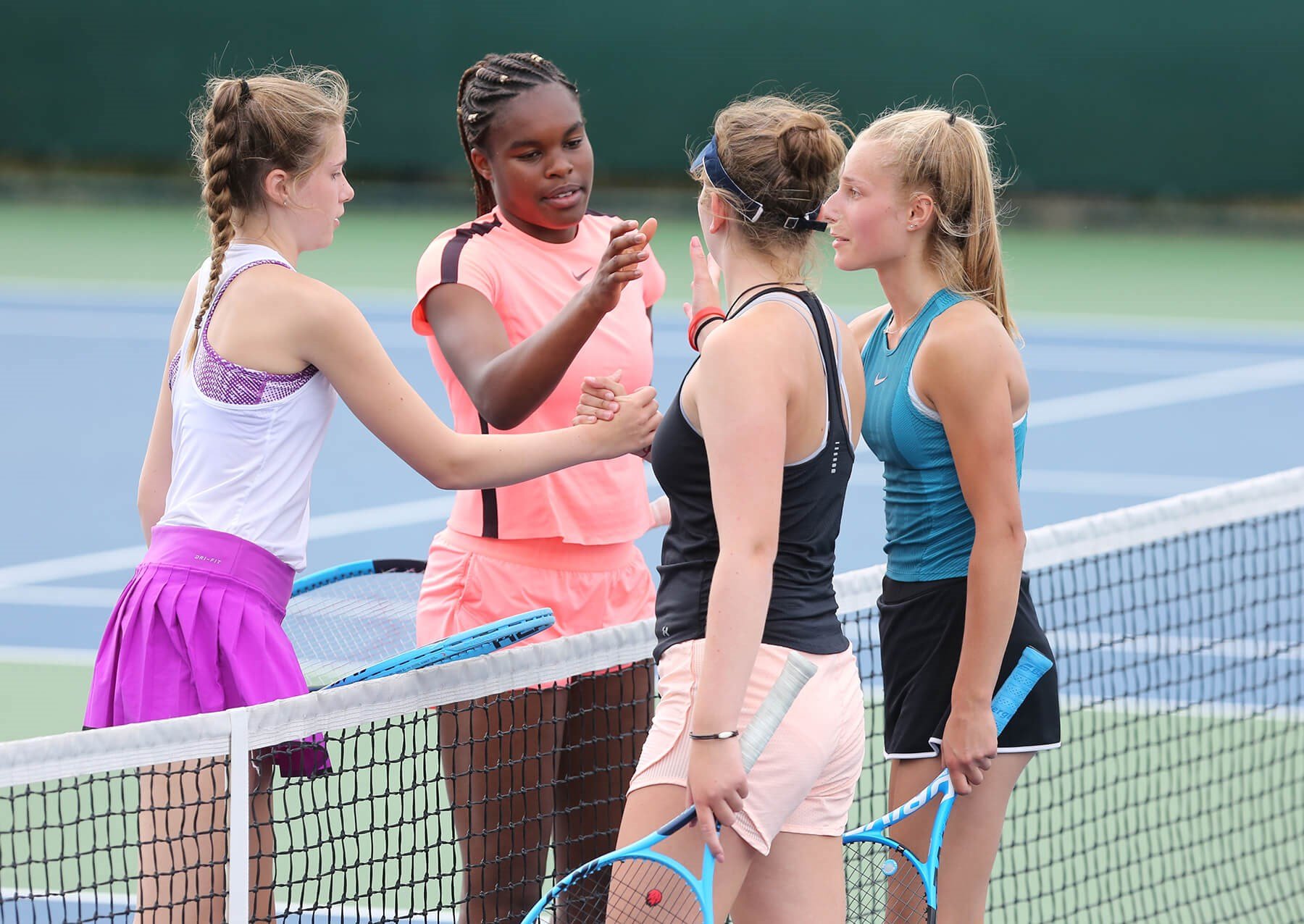
- Sharing stories and examples of brilliant women in sport
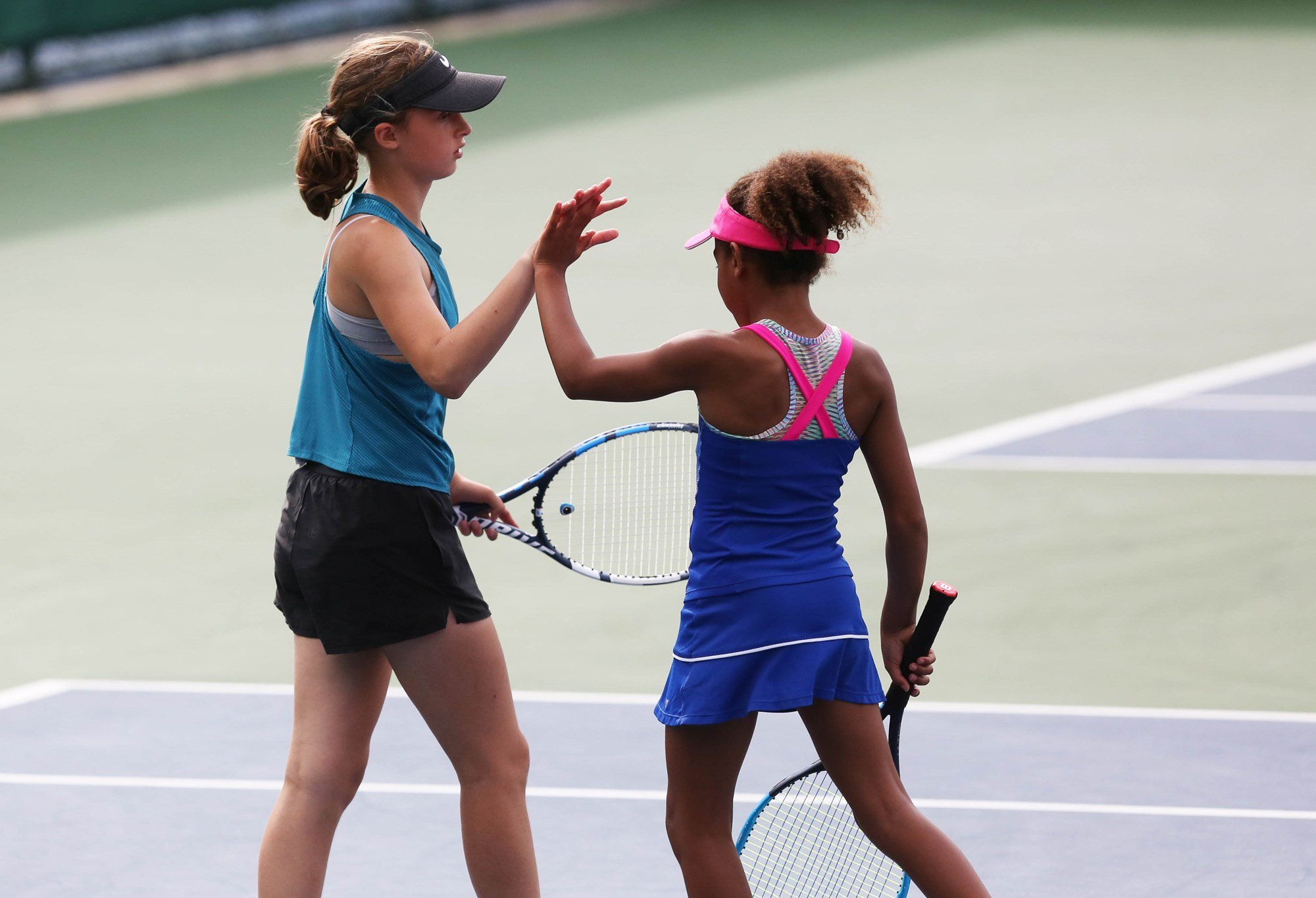
- Praising girls for strength, bravery, power, and competitiveness
- Championing girls and women in sport.
- Making great elite sportswomen household names in your family
- Looking for ways to make boys feel great if they encourage their sister
3. Parents are the biggest influence
Parents play a key role in shaping how girls experience tennis and padel. Your words, actions, and behaviour influence not only their relationship with sport, but also their confidence, physical activity, and wellbeing.
Dads in particular are crucial in a child’s engagement with sport, but gender stereotypes mean they are more likely to support sons than daughters.
While many men have positive experiences of sport, they often focus their encouragement on boys, resulting in lower support for girls.
Research shows that girls are significantly more likely to take part in sport when they have active encouragement from a sports-loving male caregiver.
For parents more generally, it’s important to be aware of what you do and say, so we don’t consciously or unconsciously:
- Lower our expectations of girls
- Make assumptions about what girls can and can’t do e.g. "girls can't throw!"
- Limit girls’ opportunities or exclude them
- Treat them with less value than we treat boys
4. Early positive experiences drive a lifelong love for tennis
Developing a love of sport is crucial at an early age.
Girls' self-belief and enjoyment of sport is impacted well before their teenage years with many believing by adolescence that they don’t belong in sport.
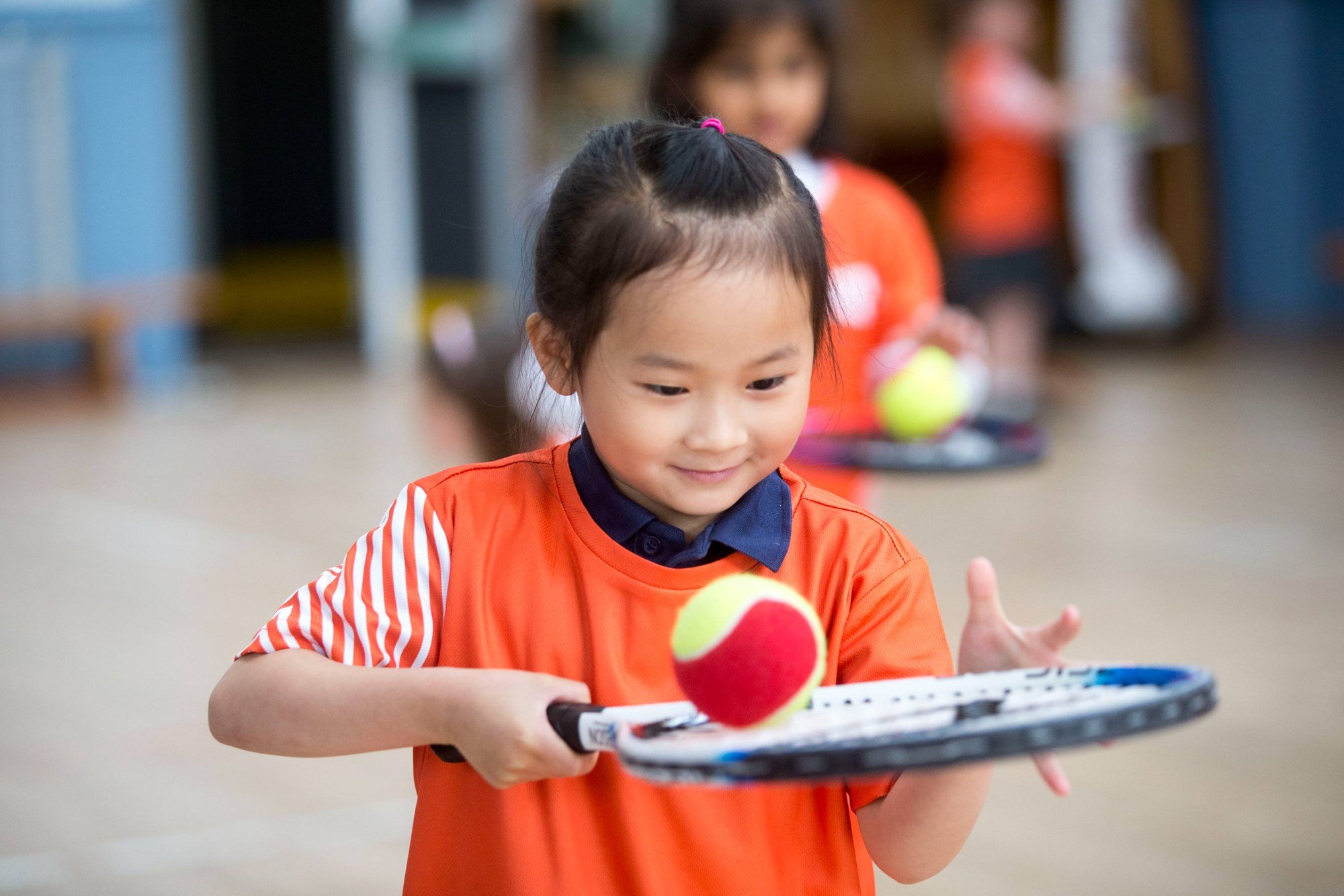
Our research supports this: girls who start tennis in primary school are far more likely to love the sport, and those who start before age seven are twice as likely to be playing as adults
Women in Sport’s research with primary school girls shows that there are two key areas we must address, the right environment and the right skills to give all girls a strong, positive, start point with sport. Parents have a significant influence on both.
5. Creating the right environment for girls
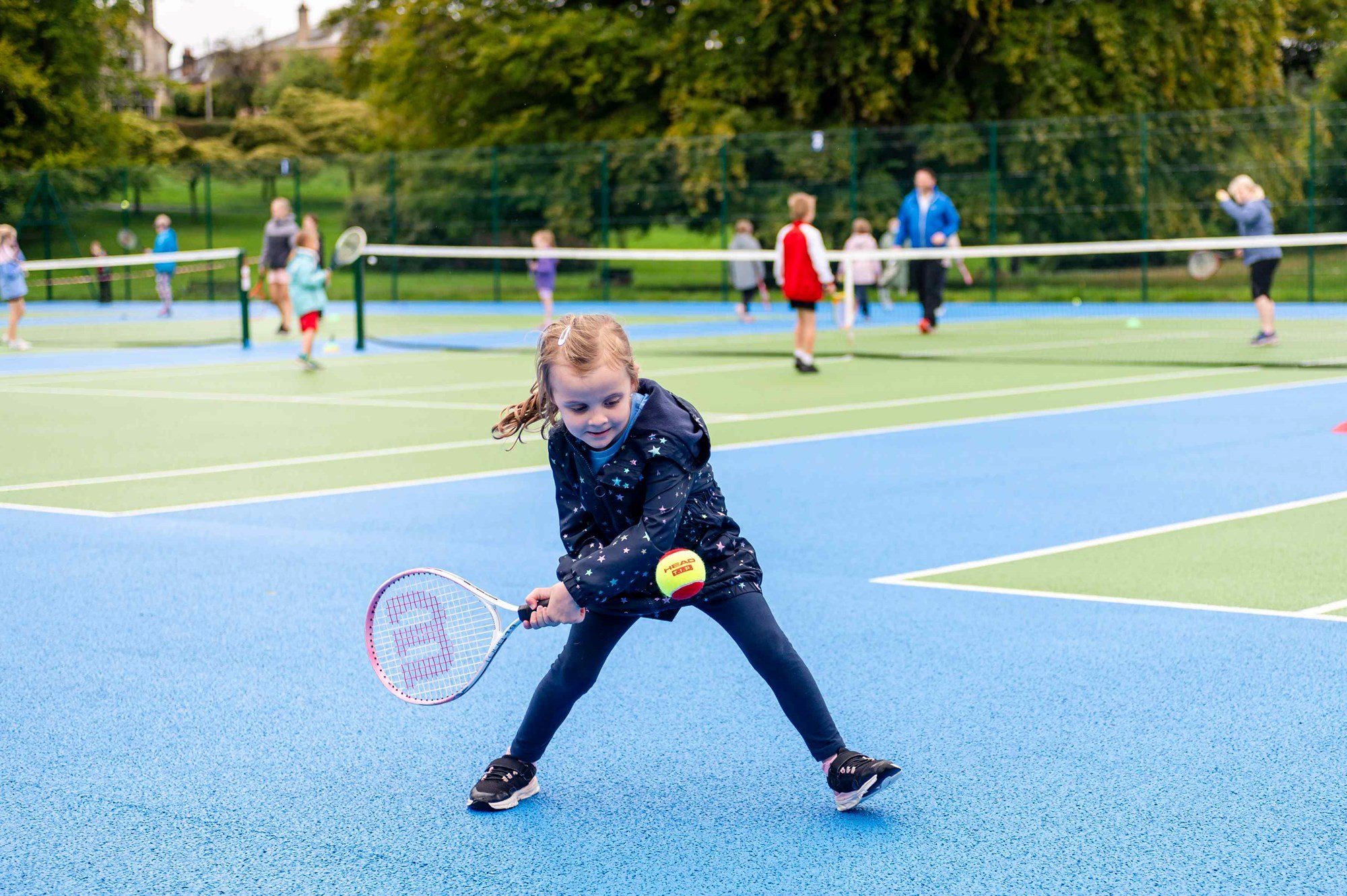
Girls benefit just as much as boys from rough and tumble play in early childhood, but they are often given fewer opportunities due to adult caution and gender stereotypes.
This can limit girls’ physical confidence, resilience, and enjoyment of movement from a young age.
When girls are not held back, they are just as capable of being strong, adventurous, and confident in sport. Encouraging girls to take risks, play freely, and try a wide range of sports helps build skills, confidence, and a sense of belonging.
6. Focusing on the process, not the outcome
The idea of “getting it right” in tennis, compounded by having less developed fundamental movement skills, means girls can feel immense pressure to do well even at a young age.
To help girls feel encouraged and supported from an early age, focus on and providing feedback or praise on the process (the how), will help them improve and develop skills.
Modifying activities with girls to ensure the process becomes the outcome can help build confidence and competence early on in a player’s development. You can do this by:
- Engaging in activities that set girls up for success and provide the best opportunities to progress
- Focusing on progression and personal achievement, being 'their best' not 'the best'
- Surrounding girls with the expectation that they will succeed
Share with your venue
Want to help more parents understand the ways they can support girls in tennis? We've created a free downloadable poster for tennis venues with expert tips and guidance.